
Understanding Chlorine in Florida Drinking Water
A guide to chlorine levels in Florida's water supply, health implications of disinfection byproducts, and effective filtration methods for clean living.
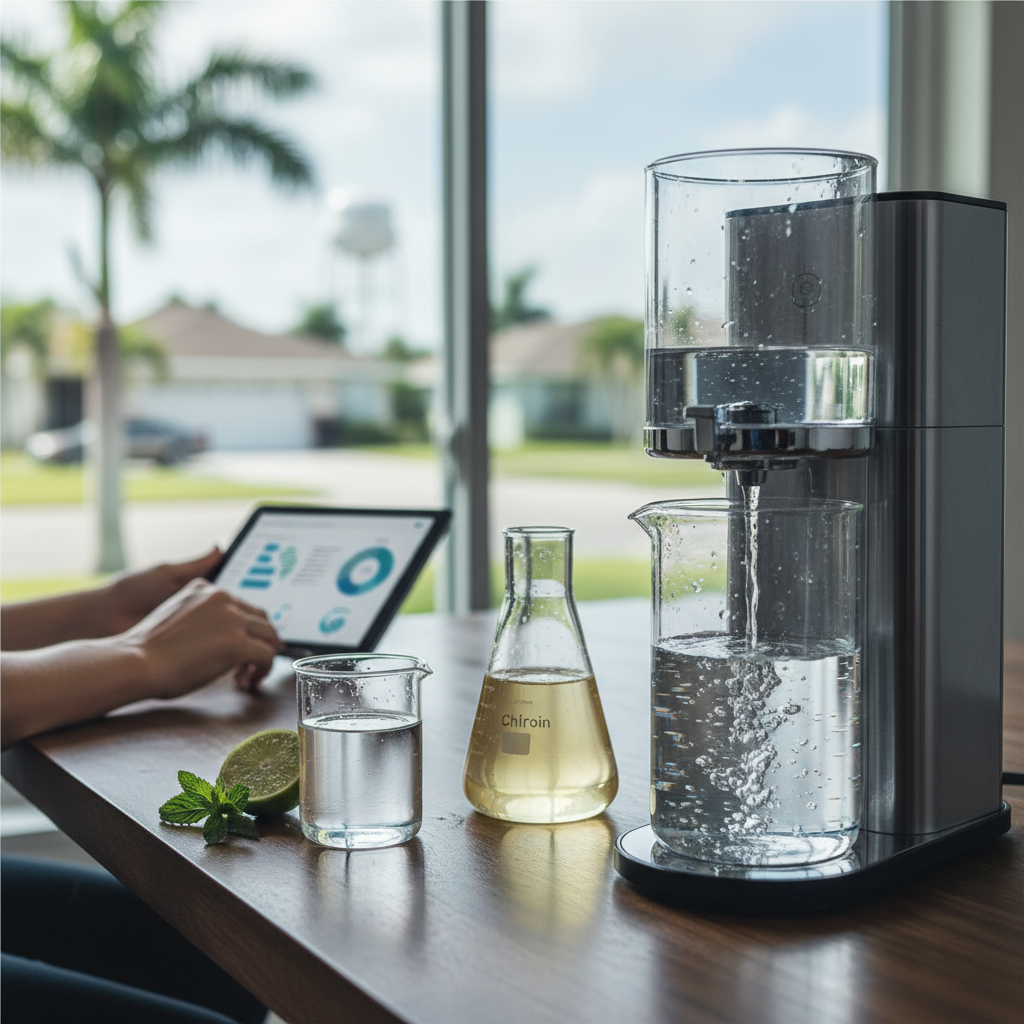
The Role of Chlorine in Public Water Systems
In Florida, municipal water utilities primarily use chlorine or chloramines to disinfect drinking water. This process is essential for eliminating waterborne pathogens such as bacteria, viruses, and protozoa that can cause diseases like cholera and typhoid. Since the implementation of the Safe Drinking Water Act, chlorination has been a standard practice across the United States to ensure water remains safe for consumption as it travels through aging infrastructure to residential taps.
According to the Florida Department of Environmental Protection (FDEP), most public water systems maintain a measurable chlorine residual to prevent microbial regrowth. While this chemical serves a vital public health function, its presence in finished tap water often results in a distinct chemical taste and odor that many residents find unappealing.
Specific Challenges for Florida Residents
Florida presents unique challenges for water treatment due to its limestone-rich geology and warm climate. Much of the state's water is sourced from the Floridan Aquifer, which contains high levels of organic matter. When chlorine reacts with this naturally occurring organic material, it can create chemical compounds known as Disinfection Byproducts (DBPs).
The two most common classes of DBPs monitored by the Environmental Protection Agency (EPA) are Total Trihalomethanes (TTHMs) and Haloacetic Acids (HAA5). Because Florida’s groundwater often has higher organic loads than surface water in northern climates, maintaining the balance between effective disinfection and minimizing DBP formation is a constant hurdle for local utilities in cities like Miami, Orlando, and Tampa.
Health Considerations and Long-term Exposure
The EPA sets the Maximum Contaminant Level Goal (MCLG) for chlorine at 4.0 parts per million (ppm). While short-term exposure at these levels is considered safe by regulatory standards, long-term consumption of disinfection byproducts has been the subject of intensive peer-reviewed research. Studies published in journals such as Environmental Health Perspectives have explored potential links between chronic ingestion of trihalomethanes and an increased risk of bladder cancer and reproductive issues.
Furthermore, chlorine is not only an ingestion concern. During hot showers, chlorine and volatile DBPs can be inhaled or absorbed through the skin. For individuals with sensitive respiratory systems or skin conditions like eczema, the drying effects of chlorinated water can exacerbate irritation and inflammation.
Levels of Filtration for Chlorine Removal
Removing chlorine from household water is a straightforward process, but the choice of technology depends on whether you wish to treat the water at the point of use or for the entire home. Methods include:
- Activated Carbon Filtration: This is the most effective and common method for chlorine removal. Carbon works through adsorption, where the chlorine molecules are trapped in the pores of the filter media. This significantly improves taste and odor.
- Reverse Osmosis (RO): RO systems typically include carbon pre-filters and post-filters. While the RO membrane itself does not target chlorine, the integrated carbon stages ensure the water is free of both chlorine and its liquid sub-products.
- Catalytic Carbon: This is an advanced form of activated carbon specifically designed to remove chloramines, which are increasingly used by Florida municipalities as a more stable alternative to liquid chlorine.
- Vitamin C (Ascorbic Acid): Often used in showerhead filters, Vitamin C chemically neutralizes chlorine, though it is less effective against chloramines and other contaminants.
Testing and Monitoring Your Home Water
Residents concerned about chlorine levels can find data in their annual Consumer Confidence Report (CCR) provided by their local utility. However, these reports reflect the water quality at the treatment plant rather than at your specific kitchen faucet. To understand the precise levels of chlorine and DBPs in your home, professional laboratory testing is recommended. Simple DPD (N,N-diethyl-p-phenylenediamine) test kits can also provide a quick snapshot of free and total chlorine levels for routine monitoring.
The Path to Cleaner Living
Achieving a home environment free from chemical residuals starts with understanding what is in your water. While chlorine is a necessary tool for public sanitation, it does not need to be a part of your final glass of water or your daily shower. Selective filtration allows you to enjoy the safety of treated municipal water without the aesthetic and health trade-offs associated with disinfection chemicals.
To help you navigate the complexities of your local water profile and identify the most suitable solutions for your household, Zoriah Living offers a comprehensive diagnostic tool. We invite you to take our Water Health Assessment to receive a personalized analysis and recommendations based on your specific regional data and wellness goals.
The water you shower, cook and brush with touches you every day.
Unfiltered municipal water carries chlorine, chloramines, sediment, hard-water minerals and trace contaminants. A whole-home treatment system shields every tap so the water you drink, bathe in, and cook with is consistently clean.
- ●Shower & bath — protects skin and hair from chlorine dryness.
- ●Brushing teeth — removes the chemical aftertaste at every sink.
- ●Cooking & coffee — cleaner water means cleaner flavor and safer meals.
- ●Appliances — extends the life of water heater, dishwasher and washer.
Curious what's in your water?
Take the 60-second Water Health Assessment for a personalized score and recommendations.
Take the Assessment