
Clean Wellness Habits for Better Sleep and Stress Management
Discover how specific wellness habits and sleep hygiene strategies help Florida homeowners reduce stress and improve health by optimizing their home environment and routine.
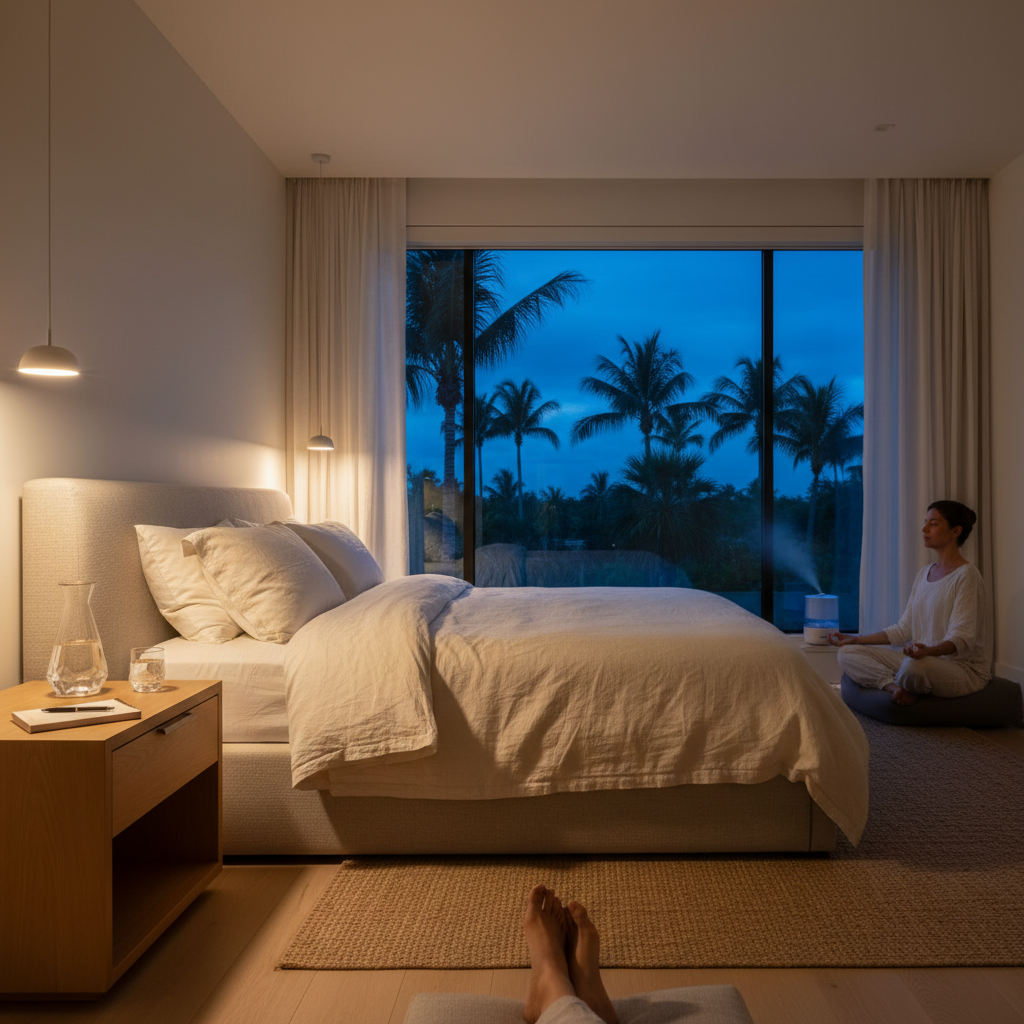
Establishing consistent wellness habits sleep experts recommend is essential for Florida homeowners facing the unique environmental stressors of the Sunshine State. High temperatures, humidity, and the chemical composition of municipal water supplies can all disrupt your body’s natural ability to regulate cortisol and melatonin. By optimizing your physical environment and evening routine, you can mitigate these stressors and achieve the deep, restorative rest necessary for long-term health and cognitive function.
Key takeaways
- Consistent moderate exercise reduces anxiety and improves sleep quality for those with chronic insomnia.
- Evening routines should focus on lowering body temperature and minimizing blue light exposure.
- Indoor environmental factors, specifically water and air quality, play a direct role in physiological stress levels.
- Hydration with filtered, contaminant-free water prevents nighttime thirst and metabolic disruption.
The Physiological Link Between Stress and Sleep
The relationship between stress and sleep is bidirectional; elevated cortisol prevents the onset of deep sleep, while poor sleep increases neurological sensitivity to daily stressors. For many, the inability to disconnect stems from a lack of transition between a high-productivity day and the recovery phase of the night. According to the Centers for Disease Control and Prevention (CDC), roughly one-third of American adults report not getting enough rest, which is linked to chronic conditions such as obesity and cardiovascular disease.
In Florida, external factors like the heat index can keep the human body in a state of mild physiological stress. While the mind may be tired, the body remains alert due to thermoregulation demands. Effective wellness habits sleep strategies must prioritize cooling the body and quieting the mind through structured routines.
Environmental Optimization for Florida Homeowners
Your home environment is the foundation of your wellness routine. In coastal areas and inland communities across central Florida, the water coming out of your taps often contains chlorine or chloramines used by utilities to treat groundwater from sources like the Floridan Aquifer. These chemicals can lead to skin irritation and respiratory discomfort, which subtly increase physical stress during the night.
To truly optimize your space, you must look at what you consume and what touches your skin. Before investing in expensive mattresses, ensure your hydration source is clean. You may choose to book a water test to identify if heavy metals or disinfection byproducts are interfering with your home’s air and water quality. Cleaner water leads to better skin health and lower physical irritation, facilitating a faster transition into sleep.
Effective Habits to Support Healthy Sleep
Adopting specific behaviors can significantly lower anxiety and prepare the brain for rest. Research published in various psychological studies suggests that regular aerobic exercise serves as a powerful tool for reducing sleep-onset latency, which is the time it takes to fall asleep. However, the timing of these habits matters as much as the habits themselves.
| Habit | Benefit for Sleep | Ideal Timing |
|---|---|---|
| Moderate Exercise | Reduces anxiety/insomnia symptoms | Morning or Afternoon |
| Journaling | Clears mental loops and to-do lists | 30 mins before bed |
| Temperature Control | Signals the brain to release melatonin | Constant overnight |
| Clean Hydration | Regulates metabolism without toxins | Throughout the day |
Mental hygiene is equally important. When anxiety over uncompleted tasks arises, experts suggest a briefly structured "brain dump" or journaling session. Writing down obligations for the next day removes them from the mind's active processing queue, reducing the boredom and anxiety that often lead to late-night ruminations.
The Impact of Water Quality on Restorative Sleep
Hydration is a cornerstone of any wellness habits sleep protocol. Dehydration can lead to dry mouth, nasal passage irritation, and leg cramps, all of which interrupt the sleep cycle. However, drinking unfiltered tap water may introduce micro-contaminants that the body must process, placing unnecessary strain on the liver and kidneys during a time meant for cellular repair.
The Environmental Protection Agency (EPA) sets standards for public water systems, but localized issues like aging infrastructure in older Florida plumbing or saltwater intrusion in coastal aquifers can affect what reaches your glass. Using a high-quality filtration system ensures that your late-night glass of water supports your health rather than taxing it. You can determine your specific needs by taking a free Water Health Assessment to see how your home’s utility profile compares to wellness standards.
Mind-Body Techniques for Immediate Stress Relief
If you find yourself lying awake, physical and mental relaxation techniques can bridge the gap to sleep. Deep breathing exercises, such as the 4-7-8 method, have been shown to stimulate the parasympathetic nervous system, the body's "rest and digest" mode. Additionally, engaging in meditation or listening to low-frequency soothing sounds can provide the mental anchor needed to prevent the mind from wandering into stressful territory.
The Role of Exercise in Sleep Quality
A study cited by peer-reviewed psychological resources indicates that physical activity is one of the most effective non-pharmacological treatments for chronic insomnia. By expending physical energy during the day, you create a stronger "sleep drive" or biological need for rest at night. For Florida residents, early morning outdoor walks are ideal to sync the circadian rhythm with natural sunlight before the afternoon heat becomes a stressor itself.
What to do next
To improve your sleep quality and reduce daily stress, begin by auditing your immediate environment. Start with these concrete steps:
- Establish a consistent wake-up and wind-down time to regulate your internal clock.
- Limit screen use 60 minutes before bed to allow natural melatonin production.
- Check your home’s water quality to ensure your hydration and bathing routines are free from irritating chemicals.
- Complete a free Water Health Assessment to identify hidden stressors in your home environment.
- If you suspect your plumbing or local utility is impacting your health, book a water test with a professional to get definitive data.
Frequently asked questions
What are the best wellness habits for sleep?
The most effective habits include maintaining a consistent sleep schedule, engaging in daily physical exercise, and creating a cool, dark, and quiet bedroom environment. Additionally, managing fluid intake by drinking clean, filtered water helps prevent physical discomfort during the night.
How does stress affect sleep quality?
Stress triggers the release of cortisol, which keeps the brain in a state of high alert and suppresses melatonin. This makes it difficult to fall asleep and often leads to fragmented sleep, where the body fails to reach the deep, restorative stages of the sleep cycle.
Can water quality really impact my sleep?
Yes, tap water contaminants like chlorine can cause dry skin and respiratory irritation, making it harder to stay comfortable. Furthermore, the body’s need to filter out toxins can interfere with the metabolic rest that occurs during deep sleep. Using purified water for hydration and bathing reduces these physiological stressors.
When should I stop exercising before bed?
Most experts recommend finishing vigorous exercise at least 2 to 3 hours before sleep. This allows your core body temperature to drop and your heart rate to return to a resting state, both of which are necessary signals for the brain to transition into sleep mode.