
Sleep and Stress Management: Wellness Habits for Florida Homeowners
Discover how clean water, light exposure, and Florida-specific wellness habits improve sleep and lower stress. Learn to optimize your home environment for longevity.
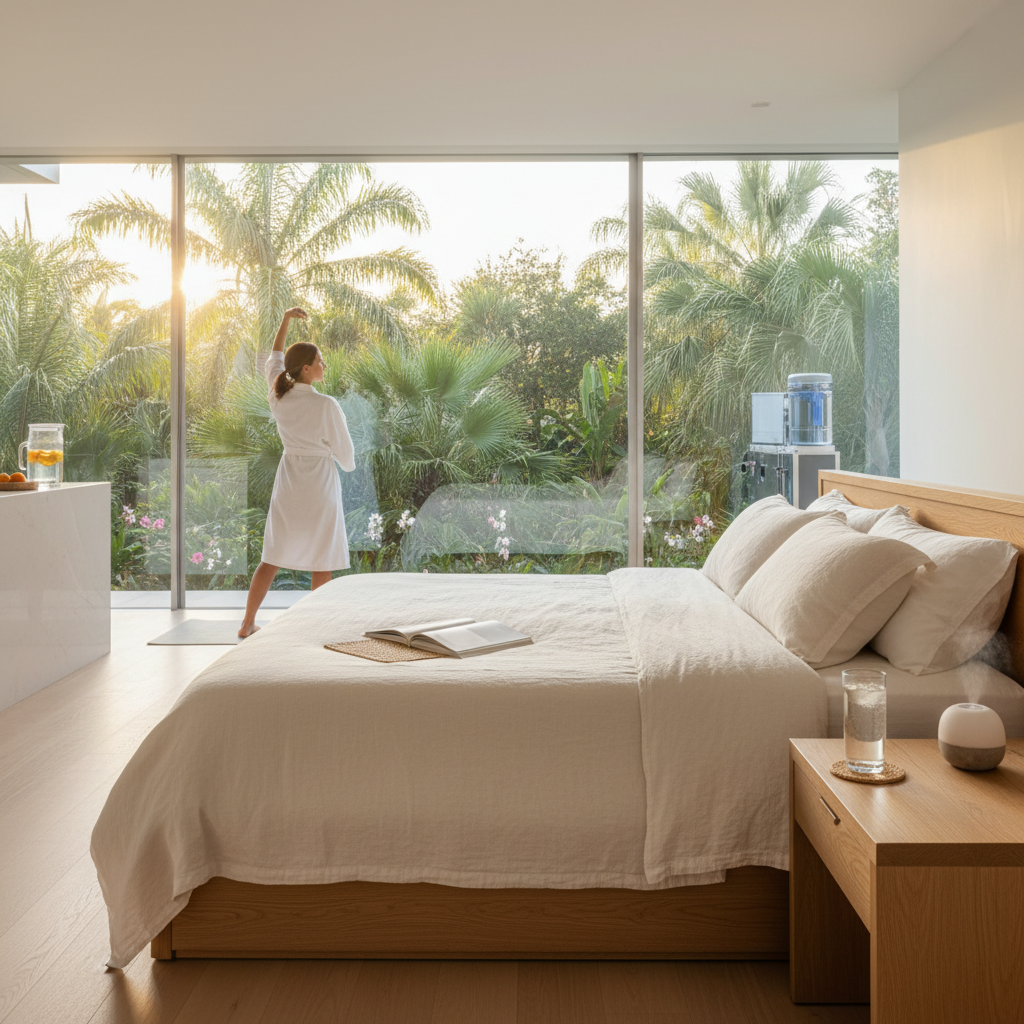
Adopting effective wellness habits for sleep and stress is essential for Florida homeowners who face unique environmental pressures, from intense humidity to fluctuating water quality. Achieving deep restorative sleep and managing daily cortisol levels requires more than just a strict bedtime; it involves auditing your entire home environment. By prioritizing hydration, light exposure, and air quality, you can create a sanctuary that supports long-term health and mitigates the physiological toll of modern stress.
Key takeaways for better sleep and stress management
- Hydration timing: Drink the majority of your filtered water before 6:00 PM to prevent sleep disruptions.
- Environmental control: Keep your Florida home between 65 and 68 degrees Fahrenheit to facilitate the body’s natural temperature drop for sleep.
- Water purity: Use a high-quality filter to remove chlorine and heavy metals, which can irritate the skin and increase cortisol levels before bed.
- Light management: Seek 15 minutes of direct Florida morning sunlight to regulate your circadian rhythm.
The physiological link between hydration, sleep, and stress
Wellness habits for sleep and stress begin with cellular hydration. The human brain is approximately 75 percent water, and even mild dehydration can trigger the release of cortisol, the body's primary stress hormone. According to the National Academies of Sciences, Engineering, and Medicine, adequate fluid intake is roughly 15.5 cups a day for men and 11.5 cups for women. However, for those living in the Florida heat, these requirements often increase to compensate for perspiration.
Poor water quality can also interfere with sleep quality. Chlorine and chloramines, commonly used in Florida municipal water systems to combat bacteria in warm pipes, can cause skin dryness and respiratory irritation. When your body is uncomfortable or itchy, reaching a state of deep REM sleep becomes difficult. Ensuring your home has clean, toxin-free water is a foundational step in any wellness routine. Homeowners should consider a free Water Health Assessment to identify hidden stressors in their tap water.
Optimizing the Florida home environment for recovery
Florida’s climate presents specific challenges for stress management. High humidity levels can lead to mold growth if not properly managed, which the CDC notes can cause respiratory issues and heighten systemic inflammation. An inflamed body is a stressed body. Integrating dehumidification with high-efficiency air filtration creates a physical environment that allows the nervous system to shift from "fight or flight" to "rest and digest."
Morning light and the circadian rhythm
The abundance of sunlight in the Sunshine State is a powerful tool for wellness. Exposure to bright light early in the day suppresses melatonin production and sets a timer for its release approximately 12 to 14 hours later. This natural regulation is the most effective habit for overcoming insomnia and morning grogginess. Conversely, blocking blue light from screens two hours before bed allows the brain to transition naturally into sleep mode.
Comparing wellness interventions for stress reduction
| Habit | Primary Benefit | Difficulty Level |
|---|---|---|
| Filtered Water Hydration | Lowers cortisol and improves skin comfort | Low (with filtration) |
| Morning Sun Exposure | Regulates circadian rhythm and Vitamin D | Low |
| Cold Plunging/Showers | Resilience building and inflammation reduction | Moderate |
| Consistent Sleep Schedule | Maximizes REM and Deep sleep cycles | Moderate |
Impact of Florida water contaminants on nervous system health
In many Florida counties, including Miami-Dade and Palm Beach, seawater intrusion into the Biscayne Aquifer can lead to higher mineral and sodium content in the groundwater. Furthermore, the Florida Department of Environmental Protection (DEP) monitors various contaminants that can enter the supply via agricultural runoff. Heavy metals like lead or arsenic, even at low levels, are neurotoxic and can contribute to feelings of anxiety and restless sleep.
To ensure your wellness habits for sleep and stress are not being undermined by your infrastructure, you should book a water test. Removing these contaminants reduces the toxic load on your liver and kidneys, allowing your body to focus on repair during the night rather than detoxification.
Nighttime routine checklist for stress-free sleep
- Temperature Check: Lower the AC to 67 degrees 30 minutes before bed.
- Hydration: Drink 8 ounces of room-temperature filtered water with a pinch of sea salt for electrolytes.
- Digital Detox: Place phones in another room to avoid blue light and cortisol-spiking notifications.
- Magnesium Soak: Take a bath in filtered water with Epsom salts to relax muscles.
- Darkness: Use blackout curtains to block Florida’s bright streetlights or early sunrise.
What to do next
Implementing these wellness habits for sleep and stress requires a systematic approach to your home environment. Start by assessing the inputs your body receives daily. If you are unsure about the quality of the water you use for drinking and bathing, take the first step toward a healthier home. You can visit our related guides to learn more about clean living or schedule a professional consultation to evaluate your home systems. Protecting your sleep and managing stress is an investment in your longevity.
Frequently asked questions
How does hydration affect stress levels?
Dehydration causes the body to perceive a state of emergency, which triggers the adrenal glands to produce cortisol. By maintaining consistent hydration with clean, filtered water, you help keep your nervous system in a calm state and prevent the physiological symptoms of anxiety.
Can Florida water quality actually impact my sleep?
Yes. Many municipal water supplies in Florida contain high levels of chlorine which can dry out the skin and eyes, leading to physical discomfort that prevents deep sleep. Additionally, certain heavy metals found in aging pipes can act as neurostimulants, disrupting the natural transition into sleep.
What is the best temperature for sleep in a humid climate?
The ideal temperature for sleep is generally between 60 and 67 degrees Fahrenheit. In Florida, maintaining a lower indoor temperature while managing humidity with a dehumidifier is crucial for preventing nighttime wakefulness caused by overheating.
Why is morning sunlight important for stress management?
Morning sunlight triggers the release of serotonin, a mood-stabilizer, and suppresses melatonin. This creates a clear distinction between day and night for your biological clock, making it easier to fall asleep at night and reducing overall stress during the day.