
Longevity Research Peer Reviewed: Science of Aging in Florida
Discover what recent longevity research peer reviewed studies say about extending your healthspan. Learn how Florida homeowners can optimize lifestyle and water quality for 2026.
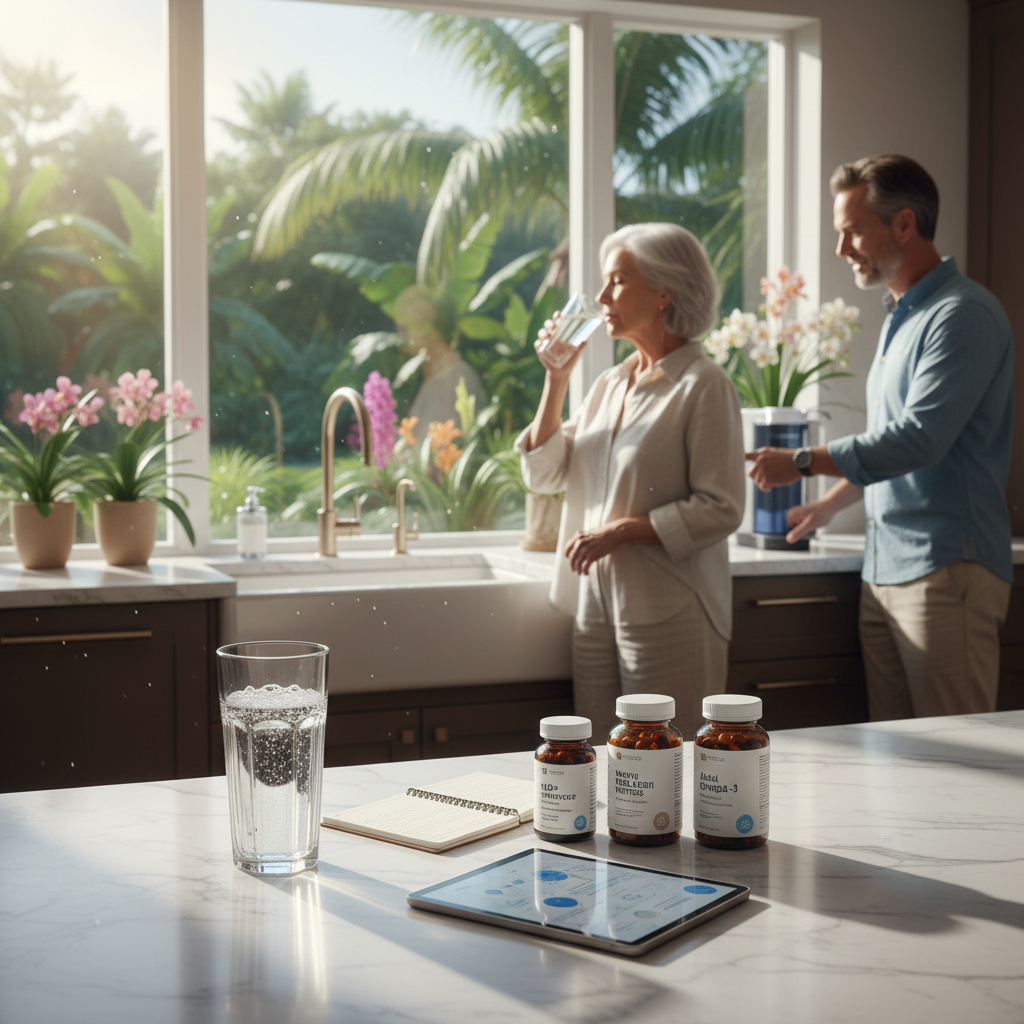
Recent longevity research peer reviewed in major medical journals suggests that your chronological age is no longer the definitive marker of your vitality. For Florida homeowners over 55, the opportunity to influence healthspan—the period of life spent in good health—has never been greater. Current data indicates that lifestyle choices, environmental exposures, and even the quality of the water you drink account for nearly 80% of how you age, while genetics dictate only a small fraction of the remaining 20%.
Key takeaways for healthy aging
- Biological age can be reversed or slowed through evidence-based lifestyle modifications even after age 55.
- Chronic inflammation is a primary driver of aging, often influenced by dietary patterns and environmental toxins.
- Social connectivity and cognitive engagement are as vital for longevity as physical exercise.
- Clean, filtered water is essential for cellular repair and metabolic function in the Florida climate.
Understanding biological vs chronological age
One of the most significant shifts in longevity research peer reviewed within the last decade is the distinction between how many years you have lived and how well your cells are functioning. Scientists now use epigenetic clocks and biomarkers to measure biological age. Research highlights that individuals who adopt healthy lifestyle patterns after 55 can increase their life expectancy by 6 to 10 years (Pritikin Research, 2026).
In Florida, where high temperatures increase the risk of dehydration and oxidative stress, maintaining cellular hydration is critical. To ensure your home environment supports this goal, you should book a water test to identify potential contaminants like chlorine or heavy metals that can contribute to cellular aging. Peer-reviewed studies in journals like Aging-US indicate that environmental stressors can leave biological scars that accelerate the aging process.
The role of nutrition and clean water in longevity
Dietary patterns such as the Mediterranean and DASH diets are consistently praised in longevity research peer reviewed for their anti-inflammatory properties. These diets emphasize healthy fats, lean proteins, and plant-based foods. However, the foundation of every metabolic process is water. The EPA notes that contaminants in drinking water can interfere with the endocrine system, which regulates many of the hormones associated with aging and repair.
For those living near the Biscayne Aquifer or in coastal Florida regions, saltwater intrusion and agricultural runoff can alter the mineral profile of tap water. Taking a free Water Health Assessment can help you determine if your current filtration system is sufficient to protect your long-term healthspan goals.
Environmental factors and the Florida climate
Homeowners in the Sunshine State face unique environmental challenges. Excessive UV exposure and high humidity levels require specific strategies for skin health and systemic hydration. Longevity research peer reviewed in 2026 suggests that "compression of morbidity"—the act of shortening the time spent in illness at the end of life—is best achieved by managing these external stressors.
Longevity Checklist for Florida Homeowners
- Verify water sourcing and filtration to reduce exposure to microplastics and VOCs.
- Incorporate daily movement to maintain bone density and metabolic health.
- Prioritize 7-9 hours of sleep to facilitate brain detoxification via the glymphatic system.
- Engage in community and social activities to reduce the cortisol spikes associated with isolation.
Combatting inflammation and oxidative stress
Inflammation, or "inflammaging," is a term used by scientists to describe the low-grade, chronic inflammation that occurs with age. Data from the CDC and peer-reviewed journals suggest that reducing processed sugar intake and increasing antioxidant consumption can significantly lower C-reactive protein (CRP) levels. Furthermore, the role of clean water cannot be overstated; minerals like magnesium and calcium found in high-quality water sources are essential for enzymatic reactions that combat oxidative stress.
What to do next
Achieving a longer, healthier life requires a proactive approach to your home environment and daily habits. Start by evaluating the hidden factors in your home that may be impacting your biological age. If you are unsure about the quality of your home's most vital resource, you can read more related guides on health optimization. Next, take the free Water Health Assessment to ensure your hydration supports your longevity goals. Finally, consult with a longevity-focused professional to personalize your nutrition and supplement protocols based on your specific biomarkers.
Frequently asked questions
Can biological aging really be reversed?
Yes, longevity research peer reviewed shows that lifestyle interventions, such as improved nutrition, targeted exercise, and stress management, can improve epigenetic markers and reduce biological age independently of chronological age.
How does water quality affect longevity?
Water quality impacts longevity by providing the medium for cellular repair and waste removal while potentially introducing toxins like PFAS or heavy metals that can cause systemic inflammation if not filtered.
What is the most important factor in aging well after 55?
While no single factor exists, research suggests that the combination of a high-quality diet, clean environment, and strong social connections accounts for the majority of successful aging outcomes.
How often should I test my home water?
Industry experts recommend testing your home water at least once a year, or whenever you notice a change in taste, smell, or clarity, especially in regions like Florida with complex groundwater systems.