
5 Habits for Improving Sleep and Reducing Stress in Florida
Discover how improving sleep and reducing stress through expert-backed wellness habits can lower cortisol and boost longevity for Florida homeowners.
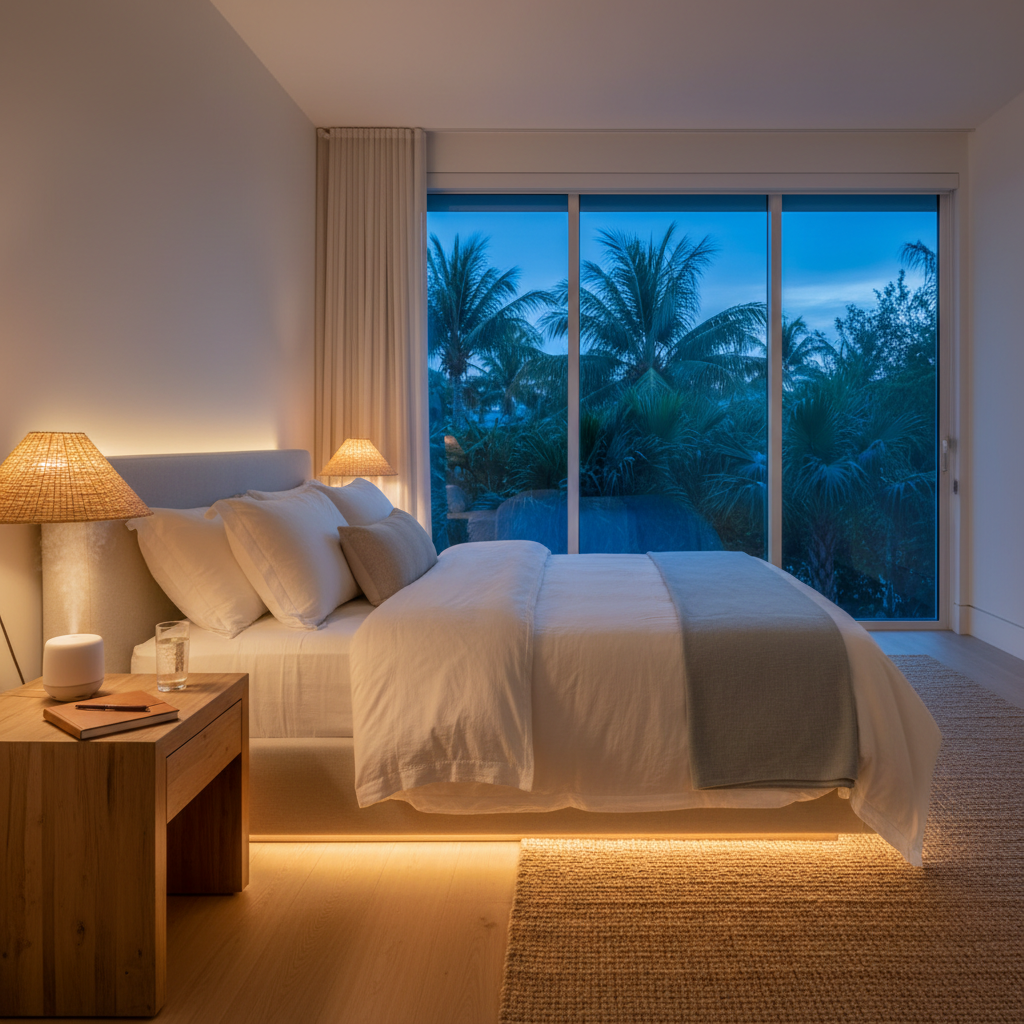
Focusing on improving sleep and reducing stress is no longer just a luxury for the wellness-conscious; it is a vital strategy for longevity and metabolic health. For Florida homeowners navigating high-humidity environments and the unique stressors of coastal living, establishing a consistent nighttime routine is the primary defense against chronic illness. Recent data suggests that the way we manage our evening hours dictates our cortisol rhythm, which in turn influences everything from heart health to immune function. By aligning your environment and biology, you can significantly extend your healthy years.
Key takeaways
- Consistent sleep of seven to nine hours can increase life expectancy by nearly five years for men and over two years for women.
- Chronic stress triggers a persistent "fight-or-flight" response, elevating cortisol and straining the cardiovascular system.
- Maintaining a regular sleep-wake schedule is often more impactful for longevity than total sleep duration alone.
- Environmental factors, including the purity of your evening hydration, play a subtle but critical role in sleep quality.
The Biological Link Between Sleep and Longevity
Quality sleep is one of the most powerful longevity tools available to modern humans. According to research cited by the CDC, consistently getting adequate sleep supports cardiovascular health, immune system function, and healthy aging. For those focused on longevity, the numbers are compelling. A landmark study found that individuals with healthy sleep habits—characterized by falling asleep easily and staying asleep—lived longer than those with poor habits. On average, men with optimized sleep habits tended to live 4.7 years longer, while women gained 2.4 years (Puryear et al., 2026).
In Florida, where heat and humidity can disrupt core body temperature regulation during the night, achieving this "restorative" state requires intentionality. When we sleep, the brain undergoes a process of glymphatic clearing, essentially washing away metabolic waste. Without this, cognitive decline and systemic inflammation accelerate. If you are struggling with restlessness, it may be time to book a water test to ensure environmental toxins aren't contributing to your physical discomfort.
Understanding the Cortisol Connection
Cortisol is frequently mischaracterized as a biological villain, but it is actually a vital hormone that regulates the body’s internal alarm system. Levels should naturally peak in the morning to provide energy and drop to their lowest point at night to facilitate rest. However, the habits of modern life—such as late-night scrolling and high-sodium meals—can spike cortisol levels when they should be falling.
Chronic stress keeps the body in a heightened state for weeks or months, as noted by the Florida Department of Health and national primary care experts. This state increases heart rate and blood pressure, placing undue strain on the Biscayne aquifer-dependent communities where heat stress is already a factor. By improving sleep and reducing stress, you allow your cortisol rhythm to recalibrate, protecting your heart and digestive system from the corrosive effects of adrenaline fatigue.
The Physical Toll of Chronic Stress
When the body stays in "fight-or-flight" mode, the following systems are most at risk:
- Cardiovascular: Elevated blood pressure and increased heart-related risks.
- Immune System: Slower recovery from illness and more frequent infections.
- Digestive Health: Stress sensitivity in the gut can lead to inflammation and discomfort.
Daily Habits for Stress Management and Better Sleep
To effectively lower cortisol and improve sleep hygiene, experts recommend a tiered approach to evening wellness. These habits are particularly effective for Florida residents who face seasonal changes and environmental stressors.
- Maintain a Rigid Schedule: Go to bed and wake up at the same time every day, including weekends. This stabilizes your circadian rhythm.
- Limit Late-Night Blue Light: Stop scrolling at least 90 minutes before bed. Blue light from devices suppresses melatonin production.
- Gentle Movement: Light stretching or yoga can lower the heart rate and signal to the nervous system that the day is over.
- Optimize Hydration: Drinking clean, filtered water in the evening prevents dehydration-related sleep interruptions, but ensure your water is free of contaminants that could act as stimulants.
Comparing Sleep Habits and Longevity Benefits
| Habit | Primary Benefit | Impact on Longevity |
|---|---|---|
| 7-9 Hours Sleep | Cellular Repair | High (Reduced Chronic Disease) |
| Consistent Schedule | Circadian Alignment | Very High (Metabolic Health) |
| Stress Reduction | Lower Cortisol | High (Heart Health) |
| Clean Environment | Reduced Inflammation | Moderate (Immune Support) |
Environmental quality is an often-overlooked pillar of this routine. For many, the first step to a healthier home is a free Water Health Assessment. Ensuring that your water is free from hard minerals and chlorine can improve skin health and reduce the physical stressors on your body before you head to bed.
What to Do Next
Improving your health starts with small, measurable changes in your home environment and daily routine. If you are ready to take control of your wellness, follow these steps:
- Audit your bedroom temperature; the ideal range for sleep is typically between 60 and 67 degrees Fahrenheit.
- Set a "digital sunset" where all screens are turned off one hour before bed.
- Evaluate your home's water quality to ensure you are not absorbing or consuming toxins that disrupt your endocrine system.
- Take a free Water Health Assessment to identify hidden stressors in your home.
Frequently asked questions
How many hours of sleep do I really need for longevity?
Most health experts, including those from the CDC and the National Sleep Foundation, recommend between seven and nine hours of quality sleep per night. Consistently hitting this window is linked to a lower risk of chronic diseases and a significantly longer lifespan.
Can poor water quality affect my sleep?
Yes, contaminants like chlorine or heavy metals can cause skin irritation and respiratory issues that disrupt sleep. Furthermore, certain chemicals can interfere with hormonal balance, potentially affecting your ability to fall asleep and stay asleep.
What are the symptoms of high cortisol at night?
Signs of dysregulated cortisol include feeling "tired but wired," difficulty falling asleep even when exhausted, frequent nighttime waking, and a racing mind. Implementing a consistent wind-down routine can help reset this rhythm.
How does stress physically change the body?
Chronic stress keeps the body in a state of high alert, which increases blood pressure, heart rate, and muscle tension. Over time, this can lead to cardiovascular strain, weakened immunity, and digestive issues as the body redirects energy away from long-term maintenance.