
Florida Hurricane Impact on Water Supply: Protecting Your Home
Hurricanes and flash floods compromise Florida's water safety. Learn how tropical systems affect the Florida aquifer and how to protect your home's drinking water quality.
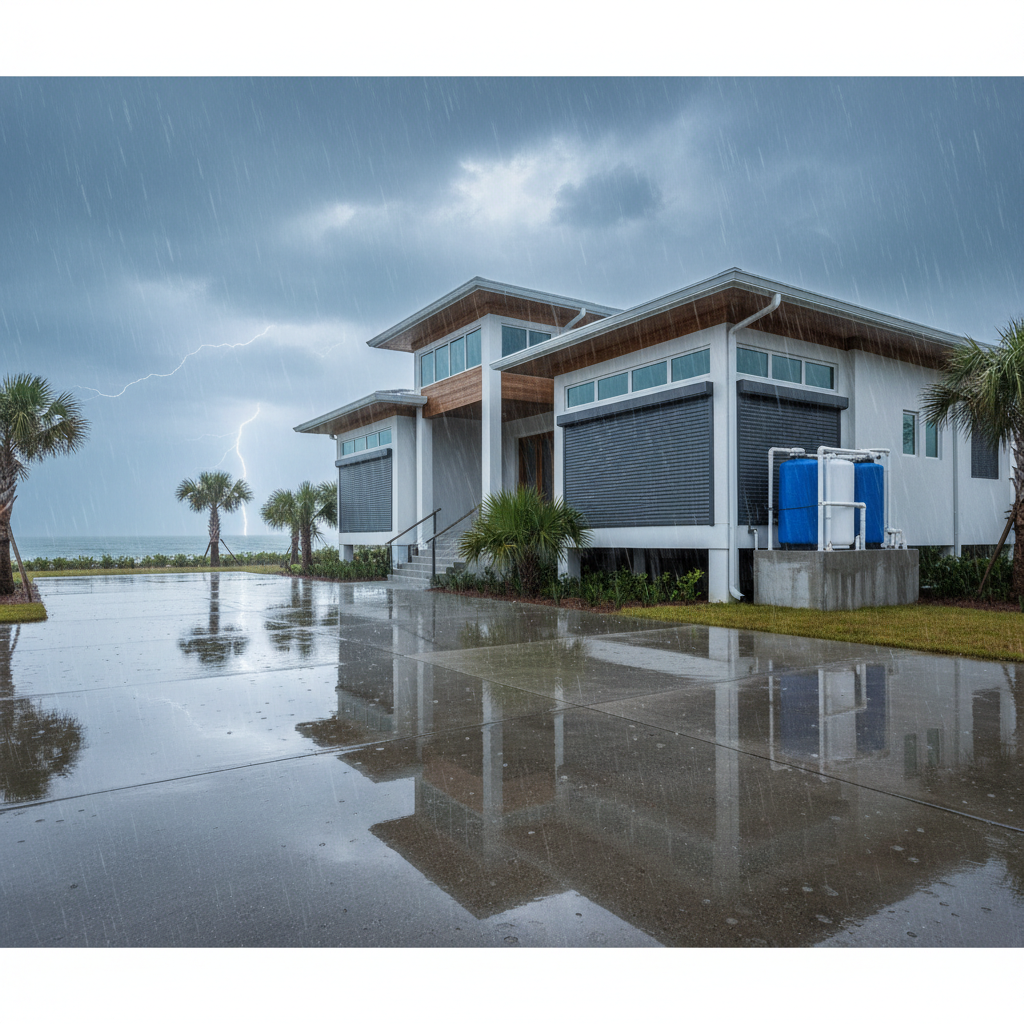
The hurricane impact on Florida water supply is a critical concern for homeowners as tropical systems bring intense rainfall and storm surges to the Sunshine State. In June 2026, the National Weather Service issued flood warnings for Okaloosa, Santa Rosa, and Covington counties, highlighting the recurring vulnerability of our local infrastructure. When extreme weather hits, the risk to your family's drinking water extends far beyond the duration of the storm, as contaminants can linger in the Biscayne and Floridan aquifers for weeks or months afterward.
Key takeaways for Florida homeowners
- Bacterial contamination from sewage overflow and agricultural runoff is common after major flooding events.
- Storm surges drive saltwater intrusion into coastal freshwater aquifers, increasing sodium and chloride levels.
- Private well owners are at the highest risk and should always book a water test after any significant flood warning.
- Municipal systems can suffer from pressure loss, leading to mandatory boil water notices.
How tropical systems compromise Florida aquifers
Florida's geology is unique and particularly susceptible to surface activities. Much of the state sits atop a porous limestone karst landscape. According to the Florida Department of Environmental Protection (DEP), this porous nature allows rainwater to move quickly from the surface into the underground aquifers. During a hurricane, the sheer volume of water overwhelmed by flash flooding can carry heavy metals, pesticides, and pathogens directly into the groundwater supply without the usual filtration provided by soil layers.
In South Florida and coastal regions, the pressure from rising sea levels and storm surges creates a secondary threat: saltwater intrusion. As of recent hydrological studies, the salt front in the Biscayne Aquifer has been moving inland, a process accelerated by the hydraulic pressure of hurricane-driven surges. This can render localized groundwater non-potable and corrosive to household plumbing.
The danger of municipal infrastructure failure
Even if you do not rely on a private well, municipal water supplies are not immune to the hurricane impact on Florida water supply. High winds can cause power outages at treatment plants, and flooding can lead to main breaks. When a water system loses pressure, the risk of backflow increases, potentially drawing untreated groundwater or sewage into the distribution pipes. This is why the Florida Department of Health often issues preemptive boil water notices during tropical storm events.
According to the EPA, flooding events frequently lead to elevated levels of E. coli and Coliform bacteria in both public and private water systems, necessitating immediate disinfection and testing.
Private well safety and maintenance checklist
Homeowners using private wells must be especially vigilant. Unlike municipal users, well owners are responsible for their own water quality monitoring. If your wellhead was submerged during the recent flood warnings in Okaloosa or Santa Rosa counties, do not consume the water until it has been professionally sanitized.
- Inspect the wellhead: Look for cracks in the casing or damage to the electrical conduits.
- Do not turn on the pump: If the well is flooded, starting the pump could burn out the motor or pull sediment deeper into the plumbing.
- Physical cleaning: Remove debris from around the well to prevent further leaching of contaminants.
- Disinfect and test: Use a shock chlorination protocol and then book a water test to confirm it is safe for consumption.
Long-term water quality issues post-hurricane
While biological threats like bacteria are the immediate concern, the long-term hurricane impact on Florida water supply includes chemical contamination. Flooding can move industrial chemicals and fuel from storage tanks into the soil. As the water table remains elevated, these chemicals can migrate toward residential areas. If you noticed a change in the smell, taste, or clarity of your water following a storm, you should complete a free Water Health Assessment to identify potential risks.
Data from the Centers for Disease Control and Prevention (CDC) indicates that waterborne disease outbreaks often spike in the 30 days following a major flood. This delay occurs because it takes time for pathogens to move through the aquifer and reach individual taps. Consistent monitoring is essential for anyone prioritizing longevity and clean living in a tropical climate.
Comparing water risks: Storm surge vs. Flash flooding
| Contaminant Risk | Storm Surge (Coastal) | Flash Flooding (Inland) |
|---|---|---|
| Saltwater/Salinity | Severe Risk | Low Risk |
| Sewage/Bacteria | Moderate Risk | High Risk | Low Risk | Severe Risk |
| Sediment/Turbidity | High Risk | High Risk |
What to do next
Restoring your peace of mind requires a proactive approach to water safety. First, ensure you have a minimum of three days' worth of bottled water stored for every family member. Second, if your area has recently experienced a flood warning, avoid using tap water for brushing teeth or cooking until you have verified its safety. Finally, the best way to ensure the ongoing health of your home is to evaluate your filtration needs based on your local geography. You can get started today by taking our free Water Health Assessment or consulting our related guides for more information on Florida-specific water issues.
Frequently asked questions
Is it safe to drink tap water after a Florida flood warning?
Generally, it is not safe to drink tap water until your local utility has cleared it or you have had your well tested. Flooding increases the risk of bacterial contamination and chemical runoff entering the water supply.
How do I know if my well is contaminated after a hurricane?
Contamination is not always visible or smelly. If your wellhead was submerged, or if you notice changes in water color or taste, you should assume it is contaminated and book a water test immediately.
Does a standard carbon filter protect against hurricane runoff?
Standard pitcher filters are often insufficient for the heavy bacterial and chemical load found in storm runoff. A comprehensive whole-home system with UV sterilization or reverse osmosis is recommended for maximum protection.
What is the Biscayne Aquifer and why is it vulnerable?
The Biscayne Aquifer is a shallow, highly porous limestone aquifer serving South Florida. Because it is so close to the surface, it is exceptionally vulnerable to saltwater intrusion and surface pollution during tropical storms.