
Healthy Home Indoor Air Quality Tips: Florida Homeowners Guide
Improve your indoor air quality with these expert tips for Florida homes. Learn how to manage humidity, pollutants, and ventilation for a healthier living environment.
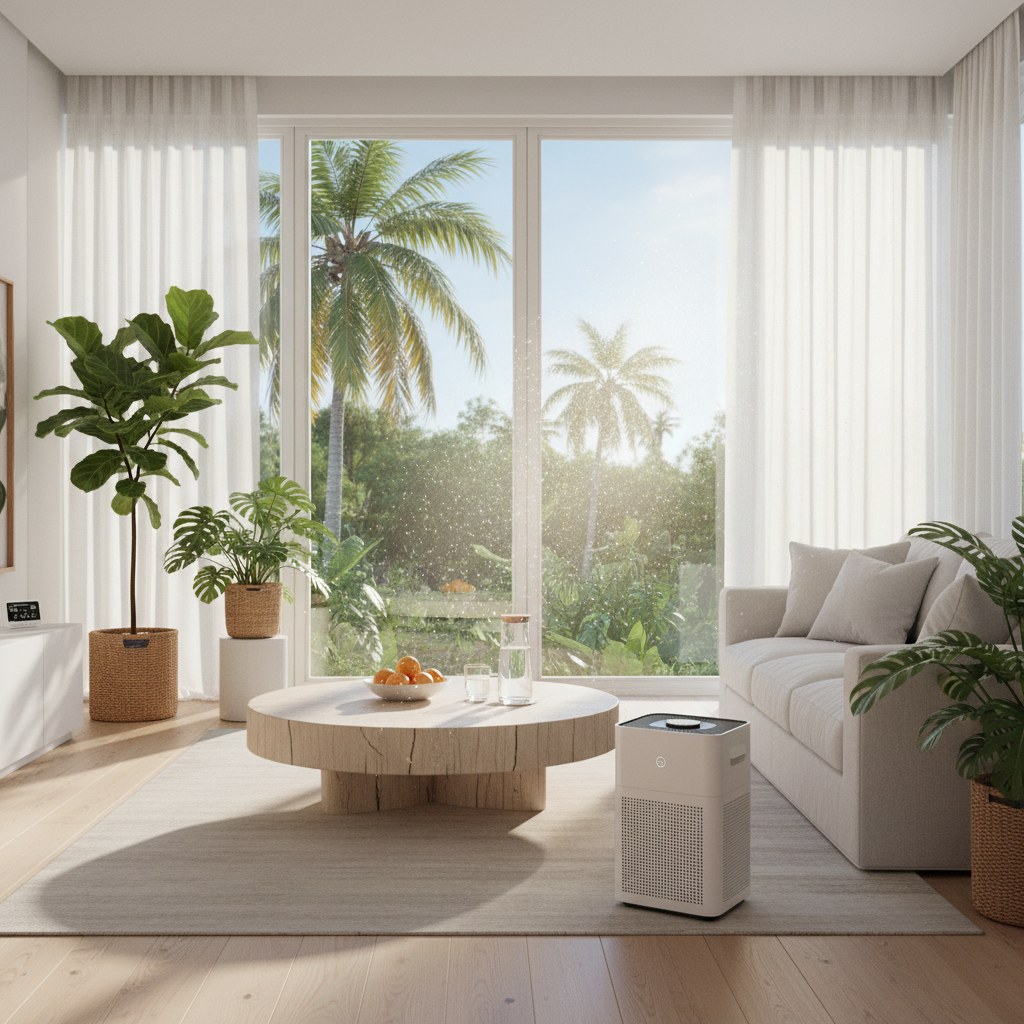
Implementing healthy home indoor air quality tips is essential for Florida homeowners who face unique environmental challenges ranging from high humidity to seasonal pollen surges. While many focus on outdoor pollution, the EPA reports that indoor levels of pollutants may be two to five times higher than outdoor levels. In a state where air conditioning runs year-round, trapped contaminants can negatively impact respiratory health and longevity. This guide provides actionable strategies to purify your living space and ensure the air your family breathes is as clean as the water they drink.
Key takeaways for better indoor air
- Maintain indoor humidity levels between 30% and 50% to prevent mold growth and dust mite infestations.
- Utilize high-efficiency HEPA filters in HVAC systems and localized air purifiers to capture fine particulate matter.
- Reduce volatile organic compounds (VOCs) by choosing low-emission building materials and cleaning products.
- Understand the connection between your water supply and air quality, particularly regarding aerosolized chemicals.
The Florida humidity challenge and air quality
In Florida, the primary threat to indoor air quality is excess moisture. Relative humidity consistently exceeding 60% creates a breeding ground for biological pollutants. According to the Florida Department of Environmental Protection, mold thrives in damp environments, releasing spores that can trigger asthma and allergic reactions. A healthy home requires a dedicated dehumidification strategy beyond standard air conditioning. Integrated whole-home dehumidifiers are often necessary in coastal regions to maintain stable levels when the AC is not actively cooling the home.
Source control and reducing VOCs
The most effective way to improve air quality is to remove the sources of pollution. Volatile organic compounds (VOCs) are gases emitted from certain solids or liquids, including paints, varnishes, and even common household cleaners. These chemicals can cause eye, nose, and throat irritation, and long-term exposure is linked to more severe health issues. Homeowners should transition to Low-VOC or No-VOC products. Furthermore, new furniture often undergoes off-gassing; letting new items air out in a garage or well-ventilated space before bringing them into core living areas can significantly reduce chemical burdens.
Ventilation strategies for sealed homes
Modern homes in Florida are built to be airtight for energy efficiency, which inadvertently traps indoor pollutants. Proper ventilation is the process of replacing indoor air with fresh outdoor air. During the brief periods of mild weather in spring or fall, cross-ventilation can be beneficial. However, for most of the year, mechanical ventilation is required. Energy Recovery Ventilators (ERVs) are highly recommended for the Florida climate as they exchange stale indoor air for fresh outdoor air while pre-conditioning the incoming air to remove excess heat and moisture. To ensure your home is balanced, you might consider how related systems like filtration are performing by choosing to book a water test or a full home wellness check.
The connection between water and air quality
Many homeowners overlook how their water quality directly impacts the air they breathe. When you shower or run the dishwasher, chemicals present in the water, such as chlorine or volatile organic chemicals, can aerosolize and enter the air. The EPA notes that inhalation of these vaporized chemicals can contribute to the total chemical load within a home. Using point-of-entry water filtration systems helps eliminate these substances before they can become airborne. To understand what might be vaporizing in your home, it is a wise first step to complete a free Water Health Assessment.
Indoor air quality maintenance checklist
- Change HVAC filters every 60 to 90 days, using a MERV 13 rating if the system allows.
- Clean air ducts and vents every 3 to 5 years to remove accumulated dust and debris.
- Use exhaust fans in bathrooms and kitchens to vent moisture and combustion gasses outdoors.
- Incorporate indoor plants like snake plants or spider plants, which NASA studies suggest can help remove trace amounts of toxins.
- Test for radon, as the Florida Department of Health identifies certain areas of the state with higher geological potential for this colorless, odorless gas.
Comparing air purification technologies
Not all air purifiers are created equal. When selecting a device, homeowners must choose technology that addresses their specific concerns, whether it be allergens, odors, or microbial growth. The following table compares common technologies found in premium healthy homes.
| Technology | Best For | How It Works |
|---|---|---|
| HEPA Filtration | Dust, Pollen, Pet Dander | Mechanical filter that captures 99.97% of particles 0.3 microns or larger. |
| Activated Carbon | Odors and VOCs | Uses a bed of carbon to absorb chemical vapors and gases. |
| UV-C Light | Bacteria and Viruses | Uses ultraviolet light to deactivate the DNA of microorganisms. |
| Ionizers | Fine Dust | Charges particles so they clump together and fall out of the air. |
What to do next for a healthier home
Achieving a healthy home is a holistic process that involves monitoring both the air you breathe and the water you consume. Start by auditing your current indoor environment for obvious triggers like scented candles, harsh cleaners, and high-humidity zones. For more comprehensive guides on clean living, visit our related guides. Once you have addressed the basics of air quality, ensure your foundational health is protected by evaluating your home's water. Your next concrete step should be to use our free Water Health Assessment to see if your tap water is contributing to your indoor chemical load.
Frequently asked questions
What are the signs of poor indoor air quality?
Common signs include frequent headaches, irritation of the eyes or throat, persistent coughing, and a noticeable buildup of dust on surfaces. If symptoms improve when you leave the house and return when you are inside, your indoor environment may be the cause.
How often should I change my air filters in Florida?
Due to the high usage of AC systems in Florida, filters should be checked monthly and typically replaced every 2 to 3 months. If you have pets or suffer from severe allergies, monthly replacement of high-quality MERV 13 filters is recommended.
Do indoor plants actually clean the air?
While plants can remove some toxins and produce oxygen, you would need a very large density of plants to replicate the air exchange of a mechanical system. They are a great supplement to a healthy home but should not be the sole method of air purification.
Can a water filter improve the air in my home?
Yes, by removing chlorine and other volatile organic compounds from your water, a whole-home filtration system prevents these chemicals from turning into gas during showering or cooking, thereby improving overall indoor air quality.