
Healthy Home Indoor Air Quality Tips: A Guide for Clean Living
Discover essential healthy home indoor air quality tips to reduce toxins and improve longevity. Learn how Florida's humidity impacts your air and water today.
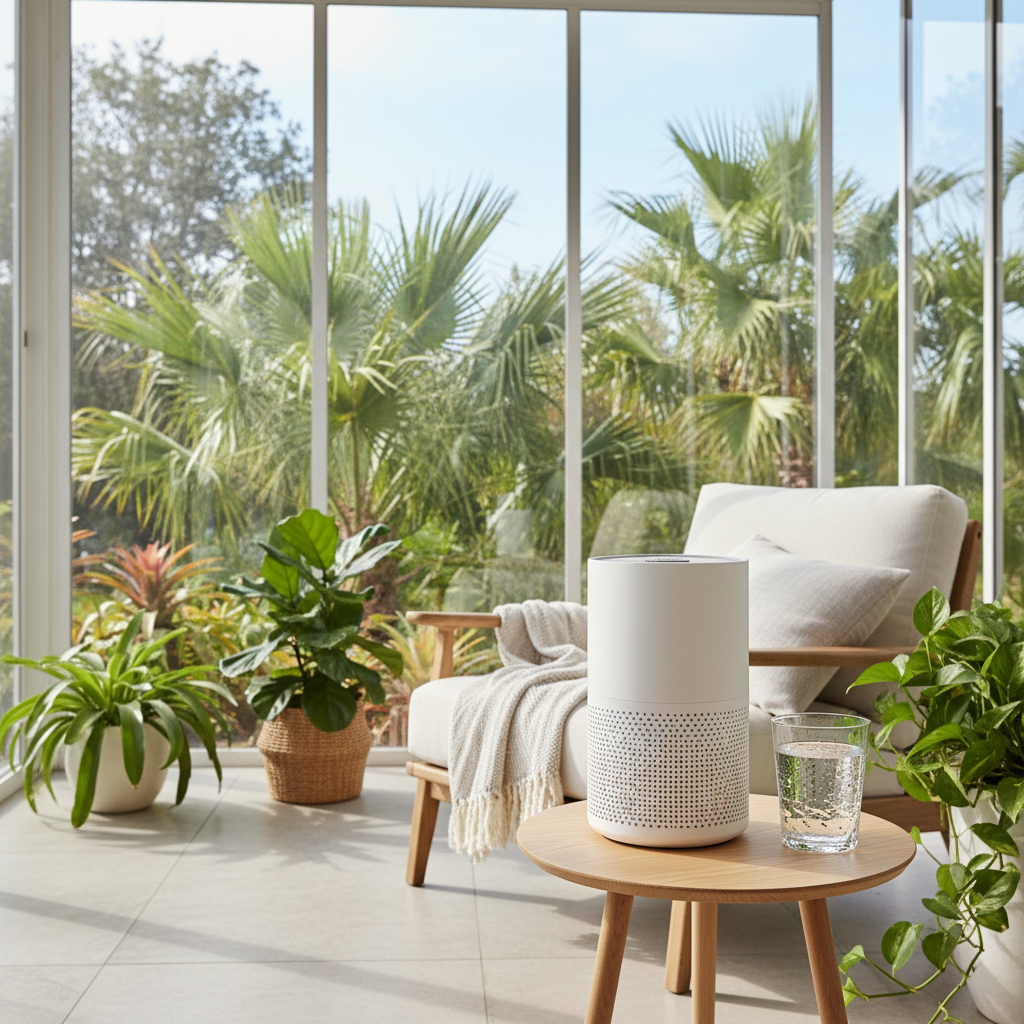
Implementing healthy home indoor air quality tips is a vital step toward long-term wellness, especially considering the average American spends approximately 90 percent of their life indoors according to the EPA. For Florida homeowners, the challenge of maintaining clean air is uniquely tied to the state's intense humidity and the tightly sealed envelopes of modern air-conditioned homes. When we ignore the atmosphere inside our living spaces, we risk exposure to concentrated allergens, volatile organic compounds (VOCs), and biological growth that can compromise our respiratory health and overall vitality.
Key takeaways for a healthier home
- Maintain indoor humidity levels between 30% and 50% to prevent mold growth and dust mite proliferation.
- Utilize high-efficiency particulate air (HEPA) filters and activated carbon to capture 99.9% of microscopic pollutants.
- Integrated health starts with the air you breathe and the water you drink; both require regular testing.
- Source control is more effective than filtration alone—remove toxins before they enter the environment.
Understanding the Florida Indoor Climate
Florida's geography presents specific challenges for indoor air quality (IAQ). The state’s reliance on the Floridan and Biscayne aquifers for water is well-known, but the atmospheric moisture levels are equally significant. High outdoor humidity can easily migrate indoors, creating a breeding ground for mold (cladosporium and aspergillus) and mildew. According to the Florida Department of Environmental Protection, moisture control is the primary defense against indoor biological contaminants. When humidity exceeds 60%, the risk of structural damage and respiratory irritation increases significantly.
Optimizing Humidity and Ventilation
While central air conditioning provides some dehumidification, it is often insufficient during the peak of a Florida summer. A whole-house dehumidifier can help keep relative humidity at the ideal 45% threshold. Furthermore, while it may be tempting to keep the house completely sealed, the EPA notes that indoor air can be two to five times more polluted than outdoor air. On dry, clear days, increasing ventilation by opening windows can flush out stagnant pollutants. However, for a truly clean environment, homeowners should look toward mechanical ventilation systems that filter incoming air before it enters the living space.
Advanced Filtration and Purification Strategies
To achieve medical-grade air quality, standard HVAC filters are rarely enough. Upgrading to a MERV 13 or higher filter can capture smaller particles, including some bacteria and virus carriers. For those pursuing a clean-living lifestyle, activated carbon filters are essential for removing gaseous pollutants like formaldehyde and other VOCs found in common household cleaners and furniture. Consider the following comparison of common air cleaning technologies:
| Technology | Targets | Best For |
|---|---|---|
| HEPA Filtration | Dust, dander, pollen, mold spores | Allergy and asthma relief |
| Activated Carbon | Odors, VOCs, chemical fumes | Removing toxic gases |
| UVGI (Ultraviolet) | Bacteria, viruses, mold on coils | Microbiological sterilization |
The Connection Between Air and Water Quality
A truly healthy home requires a holistic approach. Many homeowners focus on the air but overlook how water quality impacts their indoor environment. For instance, volatile chemicals like chlorine or radon in tap water can aerosolize during a hot shower, contributing to poor indoor air quality. This is why we recommend that homeowners book a water test to ensure their filtration strategy covers all potential routes of exposure. Just as you filter the air you breathe, the water circulating through your home should be free of contaminants that could gas out into your living areas.
The Clean Living Maintenance Checklist
- Change HVAC filters every 30 to 90 days depending on pet occupancy and season.
- Vacuum carpets and rugs twice weekly using a vacuum equipped with a HEPA filter.
- Wash bedding in water at least 130 degrees Fahrenheit once a week to kill dust mites.
- Test your home for radon, an odorless gas that can seep through foundations.
- Conduct a free Water Health Assessment to identify cross-contamination risks.
What to do next
Improving your home's ecosystem begins with data. Start by purchasing a low-cost hygrometer to monitor your daily humidity levels. If you notice persistent odors, frequent headaches, or increased allergy symptoms, it is time for a professional intervention. Beyond the air, ensure your home’s baseline—the water—is pure and life-sustaining. Take the first step toward a toxin-free environment by completing our free Water Health Assessment today, and consider how a total home wellness strategy can improve your family's longevity.
Frequently asked questions
How do I know if my indoor air quality is poor?
Common signs include frequent sneezing, dry skin, persistent odors, or visible mold growth on window sills. If your symptoms improve when you leave the house, it is a strong indicator of indoor pollutants.
Does a high-efficiency air filter strain my AC unit?
It can if the system is not designed for it. Always consult with a technician before moving to a MERV 16 filter, though most modern systems can easily handle MERV 13, which provides excellent residential protection.
Is air quality in Florida worse than in other states?
The primary issue in Florida is biological; the high humidity leads to higher mold and dust mite concentrations than in more arid climates. Additionally, coastal homes may deal with salt air which can impact outdoor mechanical units.
How does water quality affect my home's air?
Contaminants like chlorine and VOCs in your water supply can vaporize in the shower or during cooking, leading to inhalation of these chemicals. Reducing water impurities directly improves the air you breathe.