
Healthy Home Indoor Air Quality Tips for Florida Homeowners
Discover essential healthy home indoor air quality tips to combat Florida humidity and mold. Learn how to optimize your home for longevity and clean living today.
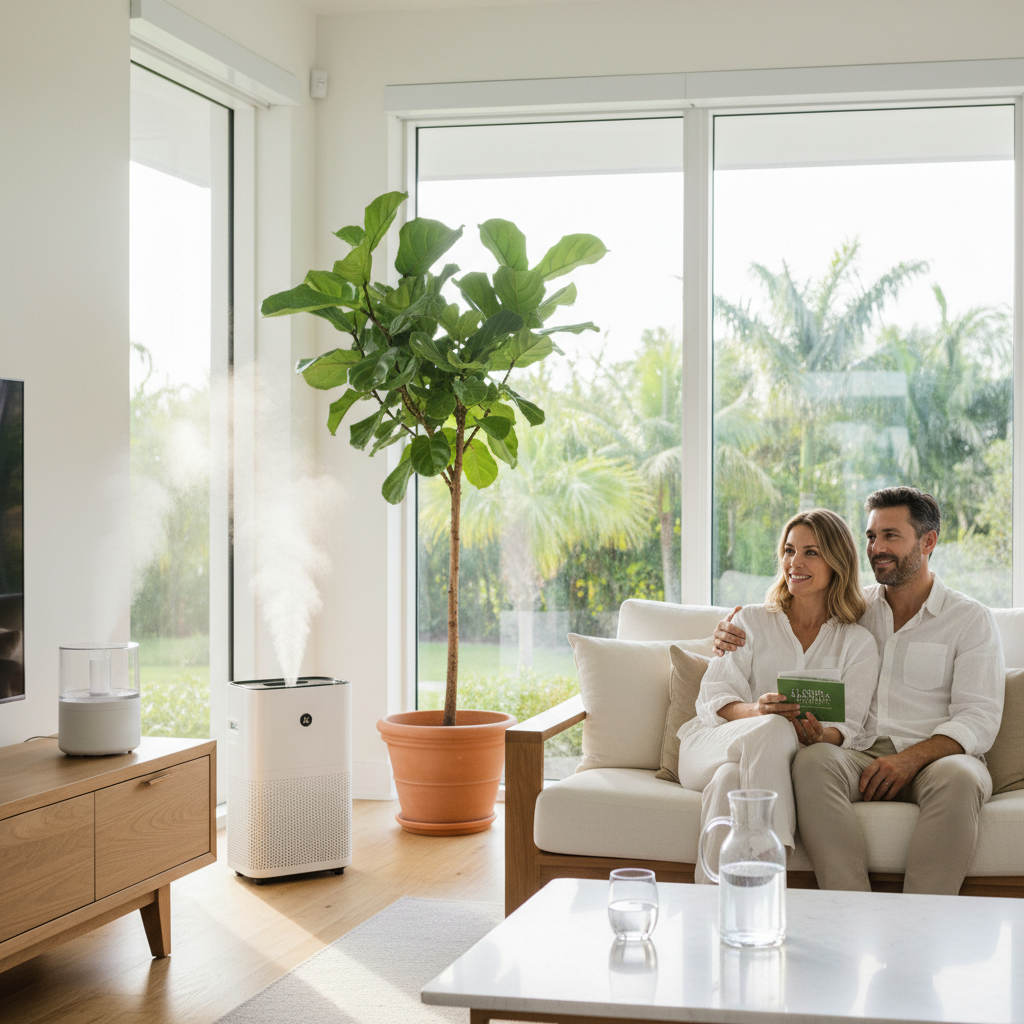
Implementing practical healthy home indoor air quality tips is essential for maintaining a residence that supports longevity and wellness, particularly in the unique climate of Florida. Indoor environments can often harbor higher concentrations of pollutants than the outdoors, ranging from volatile organic compounds (VOCs) to biological allergens. By understanding the intersection of ventilation, filtration, and humidity management, homeowners can transform their living spaces into sanctuaries of clean air and pure water.
Key takeaways for a healthier home
- Maintain indoor humidity levels between 30% and 50% to inhibit mold growth and dust mite proliferation.
- Prioritize high-efficiency HVAC filtration and regular maintenance to capture microscopic particulates.
- Integrate source control by choosing low-VOC materials and utilizing professional water testing to prevent airborne contaminants from water vapor.
- Utilize cross-ventilation during periods of low outdoor humidity to refresh stagnant indoor air.
The Florida Climate Challenge: Humidity and Air Quality
In Florida, the primary threat to indoor air quality is excess moisture. The Environmental Protection Agency (EPA) emphasizes that keeping humidity between 30% and 50% is the most effective way to prevent the growth of mold and mildew. In regions like Miami-Dade or Broward County, the outdoor humidity often exceeds 80%, making the HVAC system the first line of defense. When indoor humidity rises above 60%, it creates a breeding ground for biological pollutants that can exacerbate respiratory conditions and impact long-term health.
Beyond humidity, the tightly sealed nature of modern, energy-efficient homes in Florida can trap pollutants inside. This "sick building syndrome" occurs when fresh air exchange is insufficient. To combat this, homeowners should use exhaust fans in kitchens and bathrooms, ensuring these vents lead directly outdoors rather than into an attic or crawlspace. For a comprehensive approach to home health, consider a free Water Health Assessment to ensure your humidity control efforts aren't undermined by poor water quality.
Advanced Filtration and Air Purification Strategies
Standard fiberglass filters are designed to protect HVAC machinery, not human health. To improve air quality, upgrade to filters with a Minimum Efficiency Reporting Value (MERV) rating of 11 to 13. These filters are capable of trapping smaller particles, including pet dander, tobacco smoke, and some bacteria. According to data from the American Society of Heating, Refrigerating and Air-Conditioning Engineers (ASHRAE), higher MERV ratings significantly reduce the concentration of fine particulate matter (PM2.5) in the home.
For those seeking a higher standard of clean living, whole-home air purifiers or HEPA-standalone units provide an additional layer of protection. These systems use high-efficiency particulate air (HEPA) filters which, by definition, remove at least 99.97% of dust, pollen, mold, bacteria, and any airborne particles with a size of 0.3 microns. In Florida, where seasonal allergies to oak and grass pollen are prevalent, these systems are vital for maintaining an allergen-free interior.
The Link Between Water Quality and Air Quality
Many homeowners overlook the fact that water quality directly impacts the air they breathe. Chemicals present in tap water, such as chlorine or volatile organic compounds from groundwater contamination in the Biscayne aquifer, can aerosolize during showers or while running the dishwasher. When these chemicals become airborne, they contribute to the total VOC load within the home. Research from the University of Texas has shown that inhalation of VOCs during a ten-minute shower can be equivalent to drinking two liters of that same water. If you are concerned about chemical exposure, it is wise to book a water test to identify potential airborne risks originating from your plumbing.
Maintenance Checklist for Clean Indoor Air
Consistency is the hallmark of a healthy home. Use the following checklist to ensure your indoor environment remains optimized for health:
- Monthly: Inspect HVAC filters and replace if they appear gray or dusty.
- Bi-Weekly: Vacuum carpets and area rugs using a vacuum equipped with a HEPA filter to prevent redistributing dust.
- Seasonally: Schedule a professional HVAC tune-up and duct inspection to ensure no mold is growing within the air distribution system.
- Annually: Deep clean drapes, upholstery, and bedding which act as "sinks" for allergens and dust mites.
- As Needed: Groom pets frequently to reduce the accumulation of dander and fur in the ductwork.
Comparing Air Quality Solutions
| Feature | Standard HVAC Filter | HEPA Portable Purifier | Whole-Home Air Scrubber |
|---|---|---|---|
| Particle Removal | Large dust only | 99.97% of ultra-fine particles | 99.9% + VOC/Odor reduction | Replace every 1-3 months | Replace filter every 6-12 months | Cell replacement every 2 years |
| Scope | Entire home (low efficiency) | Single room typically | Entire home (high efficiency) |
Source Control and Lifestyle Adjustments
The most effective way to improve air quality is to remove the source of pollution. This includes transitioning to natural cleaning products, avoiding synthetic fragrances, and ensuring that any new furniture or flooring is certified for low chemical emissions (such as Greenguard Gold). In Florida, particular attention should be paid to the garage; never idle a car inside, and ensure the door between the garage and the living space is well-sealed to prevent carbon monoxide and gasoline vapors from entering the home.
Furthermore, indoor plants are often cited as air purifiers. While they provide psychological benefits and minor CO2 reduction, a study by Drexel University found that you would need between 10 and 1000 plants per square meter to match the VOC removal rate of a standard ventilation system. Prioritize mechanical ventilation and filtration first, then add greenery for aesthetic and mental health benefits.
What to do next
Improving your home environment is a journey that starts with data. Begin by auditing your current air and water systems. Check your HVAC filter today and replace it if it has been more than 60 days. To address the invisible contaminants that move from your water into your air, take our free Water Health Assessment. This tool helps Florida homeowners identify specific risks associated with their local utility and provides a roadmap for total home wellness. For more specialized advice, you can also explore our related guides on non-toxic living and home maintenance.
Frequently asked questions
How often should I change my air filter in Florida?
In Florida, the HVAC system often runs year-round due to high heat and humidity. You should check your filter every 30 days and replace it at least every two to three months, or more frequently if you have pets or suffer from allergies.
Can indoor plants actually clean my home's air?
While plants can remove small amounts of toxins, they are not a substitute for proper ventilation and filtration. Practical healthy home indoor air quality tips prioritize active filtration systems and source control over passive biological methods.
What is the ideal humidity level for a Florida home?
To prevent mold growth and maintain comfort, the EPA and Florida building experts recommend keeping indoor humidity between 30% and 50%. Levels above 60% significantly increase the risk of mold and dust mite infestations.
Does water quality affect my indoor air?
Yes, chemicals like chlorine and VOCs in your water supply can evaporate into the air when you use hot water for showering or washing. Installing a whole-home water filtration system can significantly improve the air quality by removing these sources at the entry point.