
Florida Well Water Testing Guide: Safety and Risks in 2026
Is your Florida well water safe? Learn about June 2026 contamination risks, saltwater intrusion, and how to protect your home's water quality today.
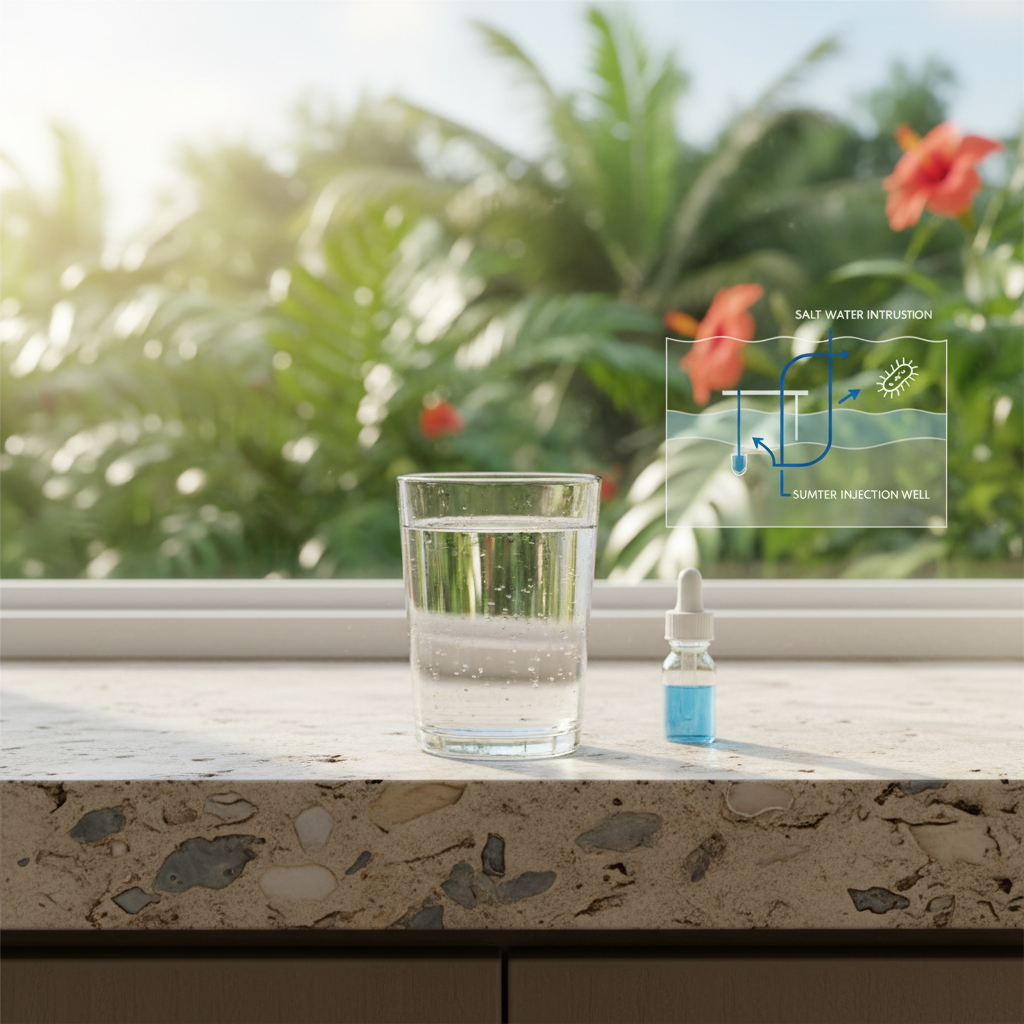
Florida well water testing is a critical responsibility for the over 2.5 million residents who rely on private wells for their daily hydration and hygiene. Unlike municipal systems, private wells are not regulated under the Safe Drinking Water Act, meaning the burden of safety falls entirely on the homeowner. As of June 19, 2026, shifting environmental factors—including record storm surges in Okaloosa County and controversial injection well proposals in Sumter County—have made proactive monitoring more vital than ever for maintaining a healthy home.
Key takeaways for Florida well owners
- Annual Testing: The Florida Department of Health recommends testing for bacteria and nitrates at least once per year.
- Seasonal Risks: Heavy summer rains and storm surges can force surface contaminants into the aquifer.
- Emerging Threats: Local industrial activities, such as wastewater injection wells, require vigilant monitoring of deep-water sources.
- Saltwater Intrusion: Coastal residents must watch for rising sodium levels due to over-pumping and rising sea levels.
The Current State of Florida’s Aquifers in 2026
Florida’s geology is predominantly karst limestone, which acts like a sponge for the state’s freshwater. While the Floridan and Biscayne aquifers provide high-quality water, they are increasingly vulnerable to surface pollution. Recent reports from June 2026 highlight that storm surge inundation in the Panhandle and high-pressure weather systems are pushing seawater further inland. This process, known as saltwater intrusion, can render well water undrinkable and damage household plumbing through accelerated corrosion.
Furthermore, local environmental debates have intensified. In Sumter County, a proposed injection well has raised concerns among officials and residents regarding the potential for reclaimed waste to migrate into drinking water layers. According to the Florida Department of Environmental Protection (DEP), even wells constructed with strict mechanical integrity can face risks if the surrounding geology shifts. Regular Florida well water testing is the only way to ensure these external factors haven't compromised your tap.
Essential Contaminants to Check
When you book a water test, you should ensure the laboratory or technician screens for several specific categories of contaminants common to the Florida landscape. Because private wells draw from varying depths, a one-size-fits-all approach rarely suffices.
Biological Pathogens
Coliform bacteria and E. coli are the primary indicators of fecal contamination. Following heavy rainfall events, such as those seen this week in Okaloosa County, runoff often carries animal waste or septic discharge into poorly sealed wellheads. The CDC notes that consuming water with these pathogens can lead to severe gastrointestinal illness.
Chemical and Agricultural Runoff
Nitrates and nitrites often originate from fertilizer use on nearby lawns or farms. High levels are particularly dangerous for infants and the elderly. In areas like Lake and Sumter counties, where residential plans for 2050 are currently being reviewed, the transition from agricultural land to suburban housing often stirs up legacy chemicals in the soil.
Comparing Well Maintenance Requirements
Maintaining a private well requires a different schedule than managing a home on city water. Use the following guide to stay compliant with safety best practices.
| Frequency | Required Action | Reasoning |
|---|---|---|
| Annually | Coliform bacteria and Nitrate test | Standard health safety check (FL DOH) |
| Every 3 Years | Lead, Arsenic, and pH testing | Check for plumbing corrosion and heavy metals |
| After Flooding | Full microbial panel and disinfection | Storm surges frequently contaminate wellheads |
| Every 5 Years | Mechanical integrity inspection | Ensure casing and caps aren't cracked |
The Impact of Local Water Management
Homeowners should also be aware of the water disinfection cycles used in neighboring municipal systems. For instance, the Tampa Water Department recently concluded a temporary switch from chloramine to chlorine disinfection (May 29 to June 19, 2026). While this affects city dwellers, well owners in nearby areas like Collier County or Hillsborough should take this as a reminder to check their own filtration systems. If your well water has any distinct odor or color change, it often signals a change in the aquifer's composition or a breach in your well’s filtration lining.
How to Protect Your Private Well
Prevention is as important as testing. Ensure your wellhead is at least 12 inches above the ground and that the surrounding land slopes away from the well to prevent pooling. Do not store pesticides, fertilizers, or petroleum products within 100 feet of the wellhead. If you live in an area with "Extreme" water shortage restrictions, such as the current Modified Phase III orders in the Southwest Florida Water Management District, be mindful that excessive pumping during droughts can increase the concentration of minerals and contaminants in your well.
What to do next
Ensuring your water is safe requires a proactive approach to testing and filtration tailored to Florida's unique environment. Start by taking our free Water Health Assessment to identify potential risks specific to your Florida zip code. If you have not tested your well in the last 12 months, or if you have recently experienced local flooding, you should immediately book a water test with a certified professional to safeguard your home and health.
Frequently asked questions
How often should I test my Florida well water?
The Florida Department of Health recommends testing for bacteria and nitrates at least once per year. You should also test if there is a change in taste, odor, or color, or after a major flood or storm event.
What are the most common contaminants in Florida wells?
Common contaminants include coliform bacteria, nitrates from fertilizers, and lead from older plumbing. Coastal areas also frequently deal with high sodium levels due to saltwater intrusion into the aquifer.
Can I test my well water myself with a kit?
While DIY kits can provide a basic reading for things like pH, they are often less accurate for bacteria and industrial chemicals. Professional laboratory testing is recommended for a comprehensive and legally recognized safety profile.
Is well water safer than city water in Florida?
Neither is inherently safer; they simply have different risks. While city water is regulated by the EPA and frequently disinfected with chlorine, well water is untreated and can be purer if the aquifer is healthy and the well is properly maintained and filtered.