
Florida Red Tide and Water Quality: Homeowner Safety Guide
Learn how Florida red tide impacts coastal water quality and your home. Discover the risks of Karenia brevis and how to protect your family's health today.
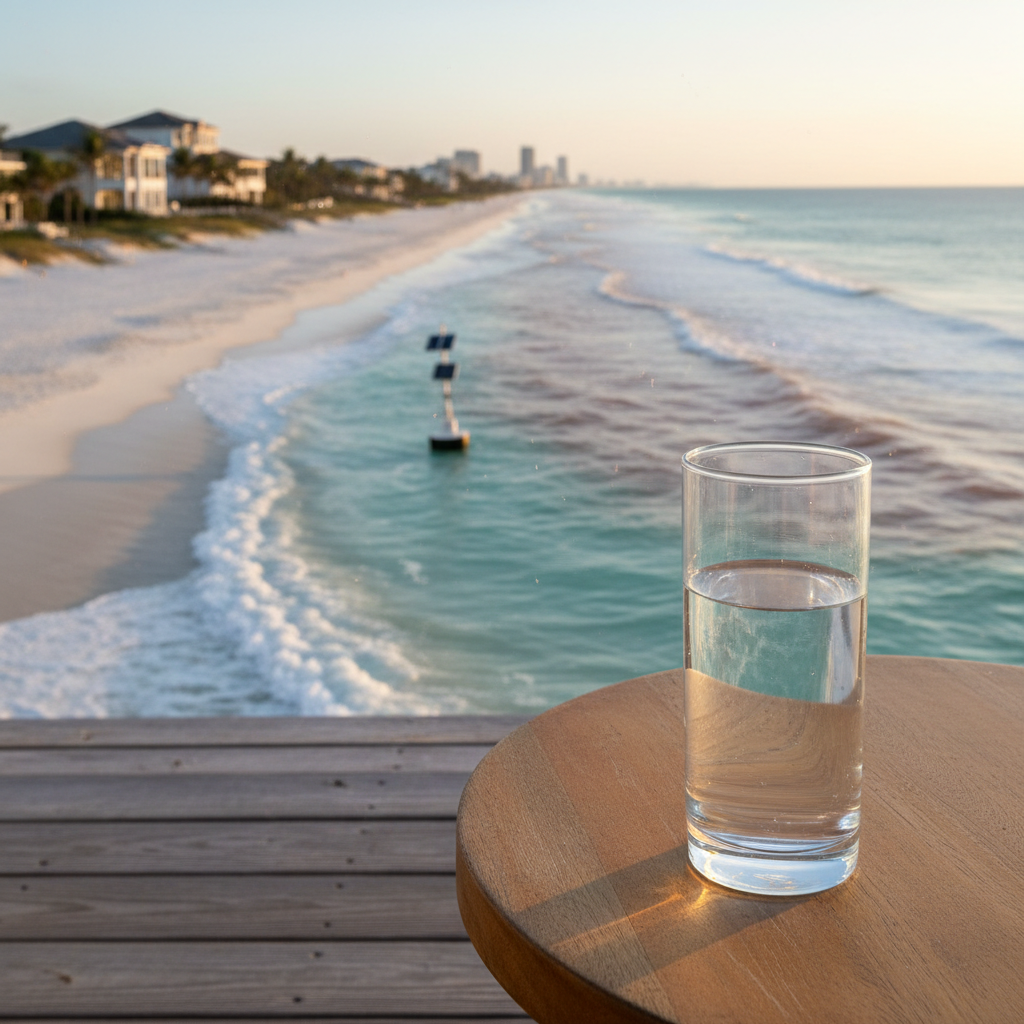
Understanding Florida red tide and water quality is essential for homeowners living along the Gulf Coast and Atlantic shorelines. As these naturally occurring algal blooms fluctuate, they present unique challenges to both the environment and residential wellness. While many focus on the visible impact on local beaches, proactive homeowners must also consider how these environmental shifts influence overall water safety and air quality in their local communities. Identifying these risks early is the first step toward maintaining a healthy, clean-living environment for your family.
Key takeaways
- Red tide is caused by the overgrowth of Karenia brevis, which releases potent neurotoxins known as brevetoxins into the environment.
- While municipal systems treat water to high standards, red tide can indirectly pressure local infrastructure and increase general concern about groundwater purity.
- Respiratory irritation is the most common home-related symptom when aerosolized toxins travel inland via coastal breezes.
- Regular testing and advanced filtration are the only ways to guarantee your home's water remains free of seasonal contaminants and runoff.
The current state of Florida red tide in 2026
As of June 21, 2026, reports from the Florida Fish and Wildlife Conservation Commission (FWC) indicate that Karenia brevis remains not present along major stretches of Southwest Florida, including the areas between Naples and the Florida Keys. This is a significant relief for residents who remember the severe blooms of previous years. However, water quality remains a dynamic issue affected by nutrient runoff, seasonal temperatures, and the health of the Biscayne aquifer and other regional water sources.
Even when red tide is low, the factors that feed it—namely nitrogen and phosphorus from agricultural and residential runoff—persist in the ecosystem. This makes it a perfect time for homeowners to evaluate their filtration systems before the next bloom cycle begins. By taking advantage of the current calm, you can book a water test to establish a baseline for your home’s safety.
How Red Tide impacts residential life
The primary concern regarding Florida red tide and water quality involves the aerosolization of toxins. When waves break, the fragile Karenia brevis cells rupture, releasing brevetoxins into the air. For homeowners located within a few miles of the coast, this can lead to persistent coughing, sneezing, and watery eyes. According to the Florida Department of Health (DOH), individuals with chronic respiratory conditions like asthma or COPD are particularly vulnerable.
Beyond the air, there is a secondary concern regarding the cumulative effect on water sources. While red tide occurs in saltwater, the heavy rainfall and flooding often associated with bloom seasons can wash contaminants into the local water table. In coastal areas prone to saltwater intrusion, the complexity of maintaining pure drinking water increases significantly.
Comparing Coastal Risks vs. Inland Safety
| Factor | Coastal Homes (0-5 miles) | Inland Homes (10+ miles) |
|---|---|---|
| Aerosolized Toxins | High Risk during active blooms | Low to Negligible Risk |
| Drinking Water Impact | Potential for Saltwater Intrusion | Mainly Nutrient/Agricultural Runoff |
| Property Maintenance | High Corrosion/Salt Exposure | Standard Environmental Exposure |
| Wellness Concern | Respiratory and Skin Irritation | General Water Purity Concerns |
Maintaining clean water during environmental shifts
For Florida homeowners, water quality isn't just about the absence of red tide. It is about the presence of a comprehensive defense system against various contaminants. The Environmental Protection Agency (EPA) and NSF International provide guidelines for testing and filtration that go beyond the minimum requirements of local utilities. In cities like St. Petersburg and Tampa, municipal reports show that while water is safe at the facility, the journey through aging pipelines to your tap can introduce lead, microplastics, and sediment.
To ensure your home remains a sanctuary of health, we recommend a multi-stage approach to water management. Start by taking a free Water Health Assessment to identify specific risks based on your zip code and home age. This assessment helps narrow down whether you need a carbon-based whole-home system or a specialized point-of-use reverse osmosis filter.
Checklist: Protecting your health during a bloom
- Monitor Local Reports: Check the FWC Red Tide Status Map weekly to see if cell counts are rising in your county.
- Filter Your Air: Ensure your home's HVAC system uses a HEPA filter rated for smoke and allergens to trap aerosolized toxins.
- Upgrade Water Filtration: Use filters certified by NSF/ANSI Standard 53 to reduce specific health-related contaminants.
- Protect Your Skin: If you use a private well near the coast, have it tested for salinity and toxins during peak bloom seasons.
- Reduce Runoff: Limit the use of fertilizers on your lawn, which can eventually feed algal blooms in nearby waterways.
What to do next
Proactive care is the cornerstone of longevity and clean living in Florida. While the 2026 forecast currently shows low red tide activity, the underlying conditions of our water systems require constant vigilance. Do not wait for a bloom to reach your neighborhood before considering the quality of what you drink and breathe inside your home.
Start by securing professional data on your home's environment. You should book a water test to identify any hidden contaminants like heavy metals or excess chlorine. Additionally, our free Water Health Assessment provides a customized roadmap for your household's specific needs, ensuring your water quality matches the premium standard of your life.
Frequently asked questions
Does red tide affect the safety of my drinking water?
For most residents on city water, the treatment process removes toxins before they reach your tap. However, red tide can indicate poor overall water health in the region, and homeowners on private wells near the coast should perform regular testing during blooms to ensure no seepage or intrusion has occurred.
Can I smell red tide from my house?
Yes, if you live near the coast, you may notice a pungent, decaying smell caused by dead fish or the aerosolized toxins of Karenia brevis. During heavy blooms, these odors can travel several miles inland depending on wind direction and humidity levels.
How do I know if the water in my area is safe?
You can check your local utility's Annual Water Quality Report (Consumer Confidence Report) or verify real-time red tide status via the FWC. For a more precise look at what is coming out of your specific kitchen faucet, a professional home water test is recommended.
What filtration is best for Florida homes?
A combination of whole-home carbon filtration and point-of-use reverse osmosis is often considered the gold standard for Florida living. This setup addresses both the aesthetic concerns like chlorine smell and the more serious health risks like heavy metals and chemical runoff.