
Florida EPA Water Contaminant Report: New 2026 Pollution Trends
New Florida EPA water contaminant data reveals rising 6PPD-Quinone and unregulated pollutants in local aquifers. Protect your home with a free health assessment.
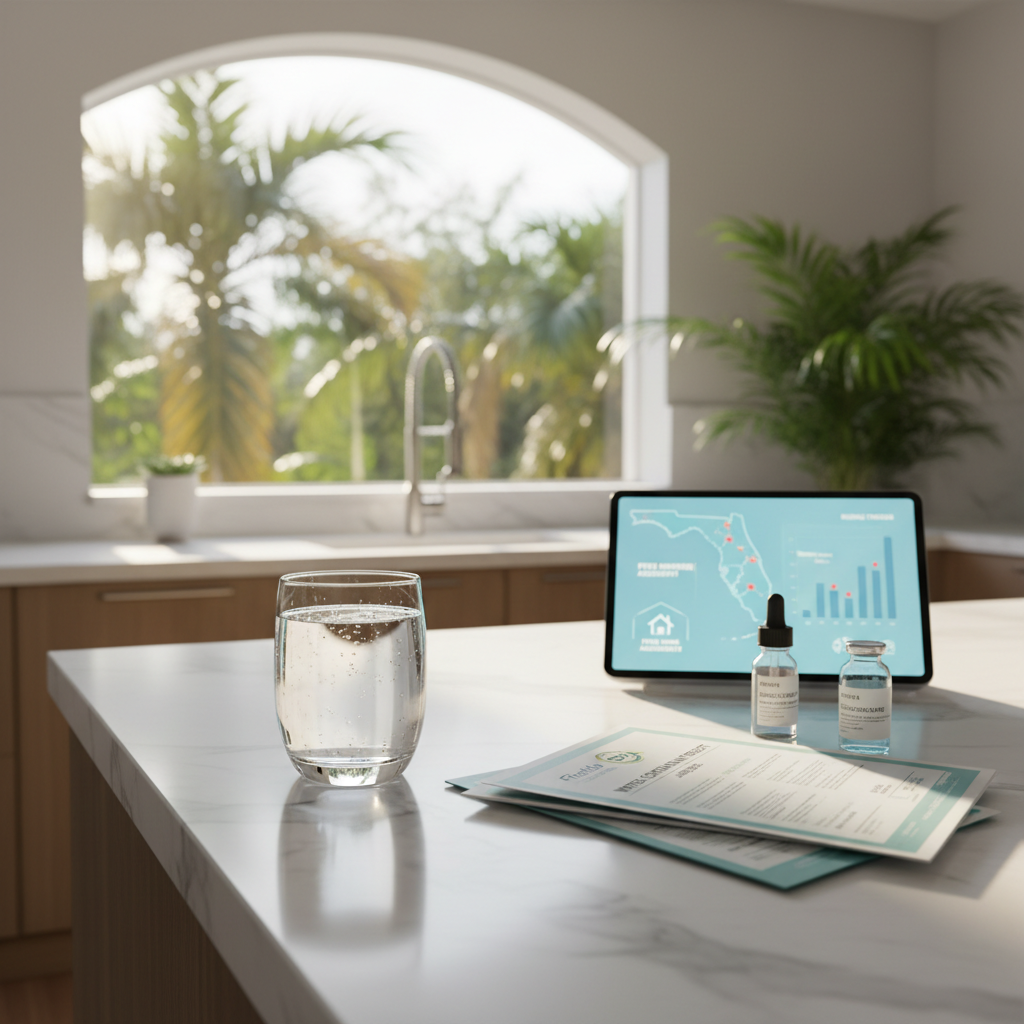
The latest Florida EPA water contaminant report and recent environmental findings from June 2026 highlight a shift in how we must view suburban and urban water safety. As homeowners across the Sunshine State increasingly prioritize clean living, new data regarding tire-derived toxins and unregulated chemicals suggests that standard municipal treatment may no longer be sufficient for the modern home. From the Hillsborough River to the coastal aquifers, understanding these emerging threats is the first step in ensuring your family stays protected.
Key takeaways
- Emerging Chemicals: Scientists have detected 6PPD-Quinone, a toxic tire-derived chemical, in Florida waterways for the first time, with spikes occurring after rain events.
- Unregulated Monitoring: Federal and state agencies are monitoring new sets of unregulated contaminants to determine future safety standards and health risks.
- Urban Runoff: Higher concentrations of pollutants are consistently found near urban stormwater outfalls, particularly in densely populated areas like downtown Tampa.
- Actionable Protection: High-performance filtration systems are becoming essential for neutralizing chemicals that currently lack strict regulatory limits.
The Rise of 6PPD-Quinone in Florida Waterways
A landmark study published in Environmental Pollution by researchers at Florida International University (FIU) has confirmed the presence of 6PPD-Quinone (6PPD-Q) in Florida for the first time. This chemical is a byproduct of 6PPD, an additive used in tires to prevent degradation. When 6PPD reacts with ozone in the atmosphere, it transforms into the toxic 6PPD-Q, which then washes into rivers and canals during storms.
Researchers monitored the Hillsborough River over a 10-month period and found the chemical in every single water sample. According to the FIU study, the highest concentrations were located near urban stormwater outfalls. During major rain events, levels approached or slightly exceeded the EPA freshwater screening benchmark of 11 nanograms per liter. This "first flush" phenomenon means that after dry spells, the initial rainfall carries a heavy pulse of pollutants into the water systems that eventually feed our local environments.
Unregulated Contaminants and EPA Oversight
The Florida EPA water contaminant report landscape is currently shaped by the Unregulated Contaminant Monitoring Rule (UCMR). This program allows the EPA to collect data on chemicals that do not yet have established health-based standards under the Safe Drinking Water Act. By monitoring these substances, the agency determines which contaminants require future regulation based on their prevalence and potential toxicity.
For Florida residents, this underscores a critical gap: your water may contain substances that the government is currently "studying" but hasn't yet limited. Managing these risks requires a proactive approach at the point of entry into your home. If you are concerned about what might be in your local supply, you should book a water test to identify substances that standard utility reports might overlook.
Regional Risks: Southwest Florida and Beyond
The Southwest Florida Water Management District recently highlighted the ongoing challenges of managing water quality during public sessions on June 25, 2026. Different regions face unique geological and man-made pressures. For instance, the Biscayne Aquifer in Southeast Florida is highly susceptible to saltwater intrusion and surface-level runoff due to its porous limestone structure.
In the Southwest region, agricultural runoff and urban stormwater remain the primary drivers of contamination. The introduction of tire-derived chemicals like 6PPD-Q adds a new layer of complexity to an already stressed system. While public utilities work to meet federal standards, the infrastructure often lags behind the discovery of such emerging pollutants.
Contaminant Comparison: Emerging vs. Regulated
| Contaminant Type | Examples | Regulatory Status | Common Source |
|---|---|---|---|
| Legacy Pollutants | Lead, Arsenic, Nitrates | Strictly Regulated (MCLs) | Pipes, Agriculture |
| Emerging Toxins | 6PPD-Quinone, PFAS | Monitoring/Screening | Tire wear, Stormwater |
| Microbial | Coliform, Cryptosporidium | Strictly Regulated | Waste, Flooding |
Securing Your Home Water Quality
Living a clean life in Florida means taking control of your environment. Since the Florida EPA water contaminant report often reflects data that is several months old, real-time protection is vital. Homeowners should utilize professional-grade filtration systems that include activated carbon and reverse osmosis, which are effective at removing a wide range of organic compounds and micro-pollutants.
Start by verifying the specific needs of your household. You can use our free Water Health Assessment to understand the common risks associated with your specific Florida zip code and utility provider. Tailoring your filtration to your local water profile ensures you aren't just filtering water, but specifically targeting the risks present in your neighborhood.
What to do next
- Review your local Water Quality Report (CCR) provided annually by your utility.
- Identify if your area is prone to the "first flush" effect after heavy rains, especially if you live near major highways or urban centers.
- Conduct an independent check of your home's water by choosing to book a water test.
- Complete a free Water Health Assessment to receive a personalized recommendation based on the latest 2026 contaminant data.
Frequently asked questions
What is 6PPD-Quinone and is it in my water?
6PPD-Quinone is a toxic chemical formed from tire additives that has recently been detected in Florida's Hillsborough River and urban canals. While it is primarily monitored in surface water, it represents an emerging pollutant of concern for the broader ecosystem and potential groundwater infiltration.
How often does the EPA update water contaminant reports?
The EPA and Florida DEP require utilities to provide Consumer Confidence Reports (CCRs) annually by July 1. However, unregulated contaminant monitoring data is released in cycles, such as the UCMR program, which provides data over several years to inform future regulations.
Can standard refrigerator filters remove tire pollutants like 6PPD-Q?
Standard refrigerator filters are often insufficient for complex organic chemicals and emerging toxins. High-quality activated carbon or multi-stage reverse osmosis systems are typically required to effectively reduce these specific types of chemical pollutants from drinking water.