
Florida Drinking Water Quality Update: June 2026 Status Report
Is Florida's tap water safe? Explore the June 2026 water quality update, drought restrictions, and how to protect your home's water health today.
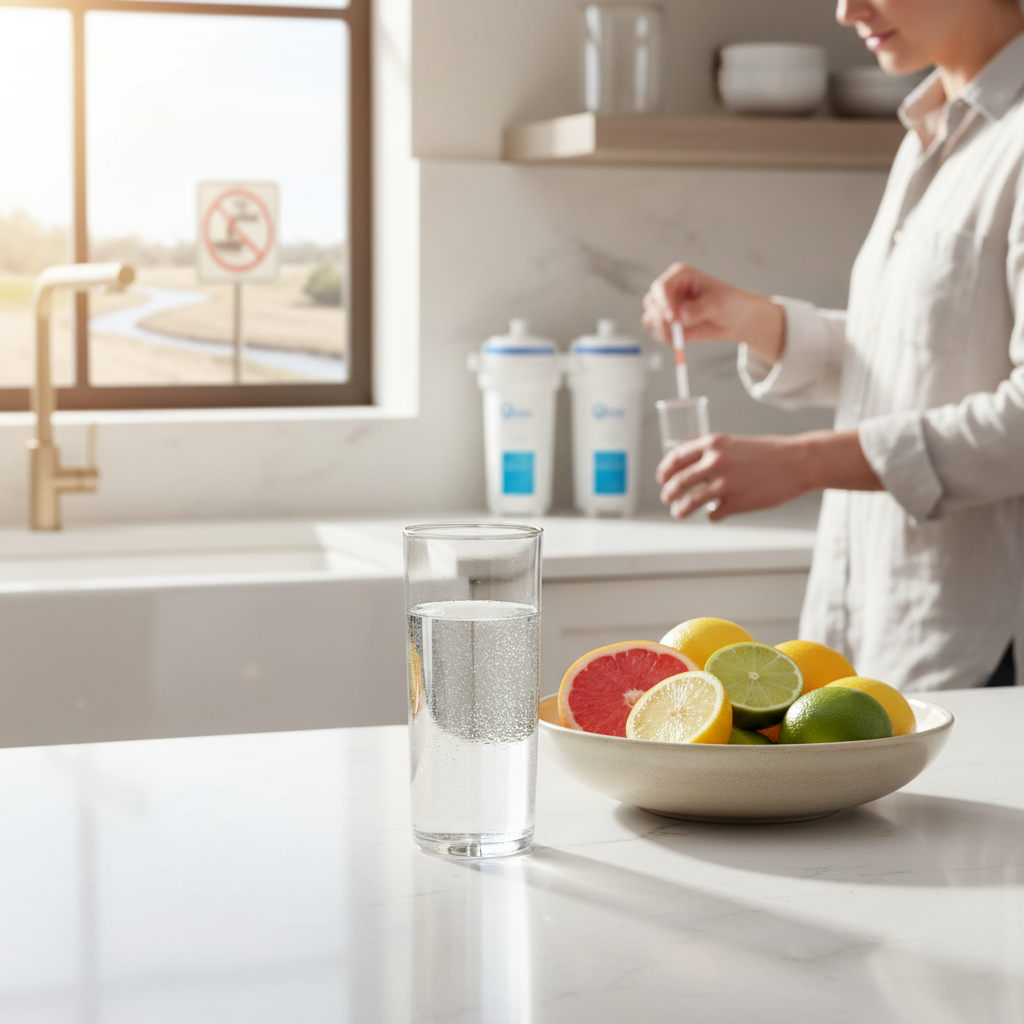
The status of Florida drinking water quality remains a primary concern for homeowners as we navigate the unique environmental challenges of June 2026. With recent fluctuations in precipitation and intensified pressure on the state's aquifers, understanding what is coming out of your tap is essential for clean living and long-term health. This update provides a comprehensive look at current water safety standards, regional shortages, and the specific steps Florida residents must take to ensure their household water meets the highest purity benchmarks.
Key takeaways for Florida homeowners
- Drought conditions have triggered Phase II and Phase III water shortage orders across several Florida water management districts.
- State and federal drinking water standards represent the bare legal minimum, not necessarily the health-optimal level for longevity.
- Saltwater intrusion and agricultural runoff continue to impact the aesthetic and chemical profile of the Florida aquifer system.
- Regular private testing is the only way to confirm that your home's internal plumbing is not introducing lead or copper into your supply.
Current water shortage and drought status
As of late June 2026, significant portions of the state are experiencing persistent drought conditions. The St. Johns River Water Management District has implemented Phase III Water Shortage restrictions, particularly affecting municipalities like Palm Coast and surrounding Flagler County. These measures are designed to protect the integrity of the groundwater supply by limiting landscape irrigation and non-essential use. According to the Florida Department of Environmental Protection (DEP), maintaining aquifer pressure is critical to preventing saltwater intrusion, a phenomenon where seawater enters the freshwater supply, increasing sodium and chloride levels.
In the northern regions, the Suwannee River Water Management District has issued Phase II Water Shortage Order WSO 26-002. This order covers all counties within the district, including Alachua and Levy, signaling a need for widespread conservation. When aquifer levels drop, the concentration of existing contaminants can increase, making it vital for residents to monitor their local water quality reports for changes in chemical composition.
Understanding state vs. federal standards
Florida drinking water quality is regulated by the Environmental Protection Agency (EPA) under the Safe Drinking Water Act and the Florida DEP. While many utility providers, such as those in Central Florida, recently confirmed that their systems meet state and federal standards, these standards are often based on a balance of cost-utility and public health. For example, the EPA sets Maximum Contaminant Levels (MCLs) for substances like PFAS and nitrates, but health advocates often suggest that truly clean living requires levels much lower than the federal allowance.
Homeowners should review their annual Water Quality Report (also known as a Consumer Confidence Report). These documents, often released in late June, detail the detected levels of regulated contaminants. However, these reports only account for the water leaving the treatment plant, not the water that has traveled through miles of vintage infrastructure or your home's own pipes.
Regional water quality challenges in Florida
Florida's geology plays a significant role in the characteristics of its water. The South Florida region relies heavily on the Biscayne Aquifer, a shallow, highly permeable limestone formation. Because it is so close to the surface, it is particularly susceptible to surface contamination from urban runoff and rising sea levels. In contrast, the Floridan Aquifer, which serves the northern and central parts of the state, is deeper but faces challenges from agricultural nitrates and naturally occurring minerals like sulfur and calcium.
Comparison of Florida water sources
| Aquifer System | Primary Areas | Common Quality Concerns |
|---|---|---|
| Biscayne Aquifer | Miami-Dade, Broward, Palm Beach | Saltwater intrusion, VOCs, PFAS |
| Floridan Aquifer | Orlando, Jacksonville, Tallahassee | Hardness, sulfur odor, nitrate runoff |
| Surficial Aquifer | Coastal Atlantic counties | Iron content, high acidity, tannins |
Protecting your home from contaminants
Public water systems are generally effective at removing bacteria and viruses through chlorination. However, the disinfection process itself can create byproducts like Trihalomethanes (THMs), which have been linked to long-term health risks. Furthermore, a 2025 study by the CDC highlighted that private home filtration is often necessary to address specific local variables that municipal plants cannot manage, such as microplastics or heavy metal leaching from neighborhood service lines.
If your area is under a System Pressure Advisory, which can happen after water main breaks or during maintenance, the risk of bacterial contamination increases. During these times, the standard recommendation is to boil water for three minutes before consumption. To ensure your daily water is safe during normal operations, you should book a water test to identify the presence of lead, copper, or synthetic organic chemicals.
Checklist for assessing your home water safety
- Request the most recent Consumer Confidence Report from your local utility provider.
- Identify the age of your home's plumbing and the material of the service line.
- Check for visible signs of water issues: staining in sinks, metallic tastes, or chlorine odors.
- Review local water district websites for active drought or shortage orders.
- Complete a professional diagnostic to identify contaminants not regulated by the EPA.
What to do next
Proactive monitoring is the foundation of a healthy home. You should begin by obtaining a baseline of your current water health. This allows you to make informed decisions about filtration and softener systems that are tailored to the specific mineral and chemical profile of your local Florida supply. Taking action now prevents long-term exposure to emerging contaminants and ensures your family's longevity. Use our free Water Health Assessment to start your journey toward cleaner, safer water today.
Frequently asked questions
Is Florida tap water safe to drink in 2026?
While most Florida municipal systems meet the legal safety standards set by the EPA and Florida DEP, many homeowners choose extra filtration. Ongoing drought conditions and aging infrastructure can lead to regional challenges like saltwater intrusion or chemical byproducts that may not be ideal for optimal health.
How do I find the water quality report for my Florida city?
You can typically find your annual Drinking Water Quality Report on your local utility's website or by visiting the Florida DEP portal. These reports are usually updated by July each year and provide data on the previous year's testing results for regulated contaminants.
What are the current water restrictions in Palm Coast and St. Johns?
As of June 2026, these areas are under Phase III Water Shortage restrictions due to drought. This limits landscape irrigation to specific days and times to conserve the groundwater supply and maintain pressure in the distribution system.
Why does my Florida water smell like rotten eggs?
This odor is usually caused by hydrogen sulfide gas, which is common in the Floridan Aquifer. While generally not harmful at low levels, it can be unpleasant and indicates the need for specific filtration solutions like carbon block filters or aeration systems.
Do water filters remove bacteria during a boil water advisory?
Most standard kitchen and pitcher filters are not designed to remove bacteria or viruses. If your local utility issues a System Pressure Advisory or boil water notice, you should use bottled water or water that has been boiled for at least three minutes, even if you have a basic home filter.