
Florida Drinking Water Quality Update: 2026 Shortages and Safety
Is your tap water safe? Explore the June 2026 Florida drinking water quality update regarding extreme shortages, chlorine flushes, and new aquifer risks statewide.
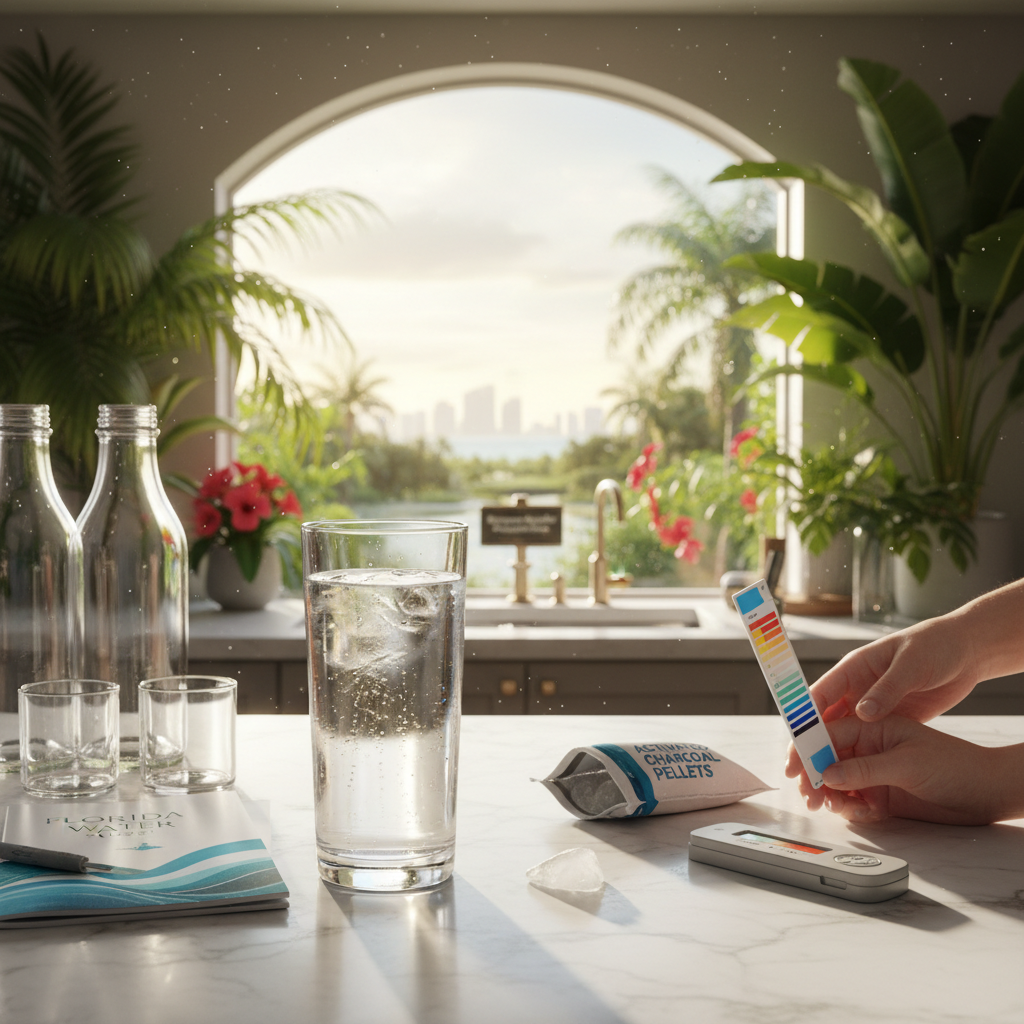
The latest Florida drinking water quality update for June 19, 2026, reveals a state grappling with dual challenges: severe drought-induced shortages and evolving chemical disinfection protocols. As homeowners across the Sunshine State prioritize health and longevity, understanding the intersection of utility-grade treatment and private home filtration is essential. From the Phase III Extreme Water Shortage Orders in Tampa and Lake County to emerging threats against the Floridan Aquifer, the landscape of clean living in Florida is shifting rapidly this summer.
Key takeaways for Florida homeowners
- Extreme watering restrictions are now in effect for Hillsborough, Lake, and surrounding counties due to significant rainfall deficits.
- The Tampa Water Department has concluded its temporary disinfection switch from chloramine to free chlorine, which may have impacted taste and odor.
- New industrial threats, such as proposed deep-well waste injections in Sumter County, are raising concerns about long-term aquifer purity.
- Regional infrastructure repairs in South Florida, including Fort Lauderdale, continue to target aging sewer and water mains to prevent cross-contamination.
Extreme water shortages and Phase III restrictions
As of mid-June 2026, the Southwest Florida Water Management District and the St. John's River Water Management District have both elevated conservation efforts to a Modified Phase III "Extreme" Water Shortage Order. These measures are not merely suggestions; they are mandatory requirements designed to protect the pressure and integrity of municipal water systems. In areas like Lake County and Tampa, residents are restricted to one-day-a-week irrigation schedules.
According to the St. John's River Water Management District, these restrictions are critical when groundwater levels drop below seasonal norms. For homeowners, this means watering is prohibited between 8 a.m. and 6 p.m. to minimize evaporation. Beyond lawn care, the restrictions prohibit aesthetic water features from running more than four hours daily and halt pressure washing for non-essential purposes. Maintaining system pressure is vital, as a loss in pressure can lead to microbial intrusion through aging pipes.
Tampa water disinfection: The chlorine switch
Between May 29 and June 19, 2026, the Tampa Water Department executed a temporary shift in its disinfection method, moving from chloramine to free chlorine. This "chlorine flush" is a routine maintenance procedure used to eliminate biofilm and persistent bacteria that can build up in distribution lines over time. While the city maintains that the water remains safe under EPA standards, many residents reported a distinct "swimming pool" scent and taste.
While chlorine is effective at neutralizing pathogens, it can react with organic matter in the water to create disinfection byproducts (DBPs) like trihalomethanes. For those following a clean living protocol, these temporary shifts underscore the importance of secondary home filtration. You can book a water test to determine the exact levels of residual disinfectants entering your home during these maintenance periods.
Aquifer protection and industrial waste concerns
The purity of Florida’s drinking water is inextricably linked to the health of the Floridan and Biscayne aquifers. However, recent developments in Sumter County have sparked alarm. A proposed deep-well injection site, intended for liquid waste disposal from a regional landfill, has met heavy resistance from Lake County officials and environmental advocates. Critics warn that high-pressure injection of waste could potentially breach confining layers of rock, leading to the contamination of the primary source of drinking water for millions.
Industrial runoff and emerging contaminants like PFAS (per- and polyfluoroalkyl substances) remain a focus for the Florida Department of Environmental Protection (DEP). As of 2024, the EPA established legally enforceable levels for several PFAS in drinking water, citing risks to immune and cardiovascular health. Florida homeowners should remain vigilant about local zoning and industrial permits that impact their specific watershed.
Checklist: Maintaining water quality at home
- Monitor Local Alerts: Check your municipal utility website weekly for disinfection changes or boil-water notices.
- Inspect Filtration Media: If you use carbon-based filters, replace them more frequently during "chlorine flushes" as they saturate faster.
- Audit Outdoor Use: Ensure your irrigation system complies with Phase III orders to avoid fines and protect local supply.
- Verify Plumbing Integrity: In areas like Fort Lauderdale with ongoing sewer main repairs, ensure your home has a functioning backflow preventer.
- Professional Assessment: Get a baseline reading of your home's chemical profile.
Infrastructure challenges in South Florida
In South Florida, the challenge is often aging infrastructure rather than raw water quantity. The City of Fort Lauderdale has reported multiple sewer main replacements and repairs throughout June 2026, specifically in the Coral Ridge and Colee Hammock areas. When sewer lines fail near potable water lines, the risk of cross-contamination increases, particularly during Florida's heavy summer rain events which can cause localized flooding and groundwater surge.
Coastal communities also face the permanent threat of saltwater intrusion. As sea levels rise and heavy pumping continues, the saltwater-freshwater interface in the Biscayne aquifer moves further inland. This increases the total dissolved solids (TDS) in the water, often resulting in "harder" water that can damage home appliances and irritate the skin.
What to do next
Understanding the Florida drinking water quality update is the first step in taking control of your home's health. While municipal utilities work to meet federal safety standards, their responsibility ends at the property line. To ensure your family is consuming the highest quality water, take advantage of modern diagnostic tools. We recommend all residents start with a free Water Health Assessment to identify specific risks based on your zip code and home age. If you notice persistent odors, metallic tastes, or skin irritation, you should book a water test with a certified technician to get a laboratory-grade analysis of your tap water.
Frequently asked questions
Is the water in Tampa safe to drink during the chlorine switch?
Yes, the Tampa Water Department states the water meets all federal and state safety standards during the disinfection switch. However, the temporary use of free chlorine can alter the taste and smell, which some residents may find unpleasant.
What does a Phase III Water Shortage Order mean for me?
It means you are limited to watering your lawn once per week on a specific day assigned by your address. It also prohibits non-essential water use like aesthetic fountain operation beyond four hours and most types of pressure washing.
How do I know if my water contains PFAS or other "forever chemicals"?
Most municipal reports (Consumer Confidence Reports) now include some data on PFAS, but the most accurate way to check your specific home is through a targeted water test that identifies contaminants at the parts-per-trillion level.
Why is my water suddenly tasting like chlorine in June 2026?
Many Florida utilities perform "chlorine flushes" in the early summer months to keep pipes clean during the hottest part of the year. This removes biofilm but results in a stronger chemical taste in the tap water.