
Florida DEP Enforcement Actions: Is Your Tap Water Currently Safe?
Stay informed on Florida DEP enforcement actions and utility consent orders. Learn how local water violations impact your home and how to secure clean water.
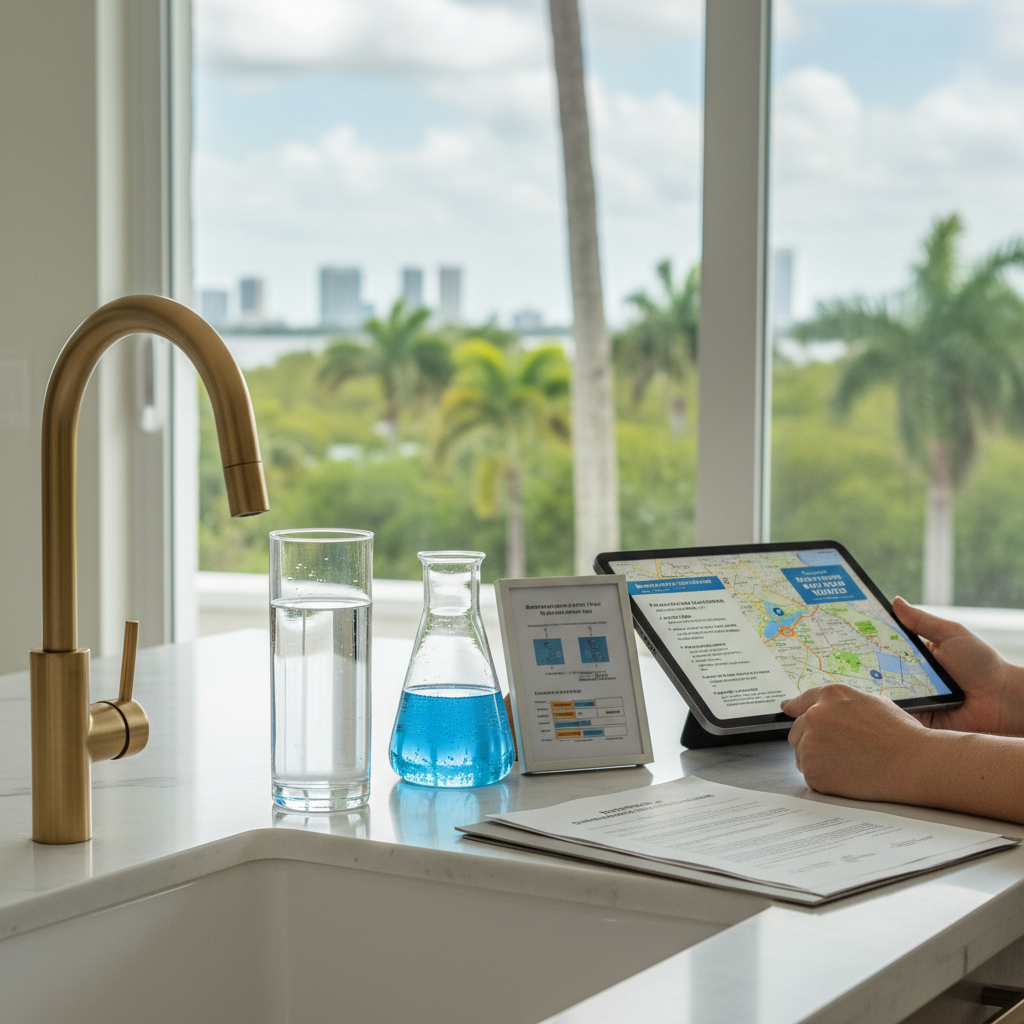
Florida DEP enforcement actions serve as a critical mechanism for maintaining the integrity of the state's drinking water, yet many homeowners remain unaware of the regulatory battles happening behind their faucets. As of June 2024, several major utilities across South Florida and the Gulf Coast are navigating complex consent orders and infrastructure repairs to address aging systems and environmental compliance. Understanding these enforcement actions is the first step toward reclaiming control over your household water quality and ensuring long-term health for your family.
Key takeaways
- Florida DEP enforcement actions often lead to multi-year consent orders that require utilities to overhaul aging infrastructure.
- Recent alerts in Broward and Sarasota counties highlight the persistent risks of bacterial contamination and sewer main failures.
- Homeowners can proactively monitor local water health through a free Water Health Assessment.
- Rising utility and stormwater rates are frequently tied to mandated environmental compliance projects.
Understanding the Florida DEP Enforcement Process
The Florida Department of Environmental Protection (DEP) monitors thousands of public water systems. When a utility fails to meet standards set by the Safe Drinking Water Act or Florida Administrative Code, the DEP initiates enforcement. These actions range from non-compliance letters to formal Consent Orders. A Consent Order is a legally binding agreement where the utility must complete specific repairs and pay fines to settle violations.
For example, according to the City of Fort Lauderdale, the municipality currently manages continuing professional engineering services specifically for Water Distribution System Assessment and Consent Order Compliance. This indicates that even major metropolitan areas are in a constant state of flux regarding infrastructure integrity. For residents, this often means your water is only as safe as the most recent repair on a decades-old pipe.
Recent Utility Notices and Local Impact
In mid-June 2024, several precautionary notices underscored the fragility of local distribution systems. In Hollywood and Davie, residents faced Precautionary Boil Water Advisories following utility disturbances. These advisories are not mere suggestions; they are issued when pressure drops below 20 psi, which can allow groundwater contaminants or pathogens to enter the piping system.
Meanwhile, in Fort Lauderdale, significant sewer main repairs on NE 49th Street and SE 12th Avenue highlight the ongoing struggle with the region's wastewater infrastructure. While these are sewer repairs, the proximity of aging sewer lines to potable water lines in Florida's sandy soil increases the risk of cross-contamination during main breaks. Monitoring these local developments is essential, and residents who suspect high-risk conditions should book a water test to confirm their home filtration is performing adequately.
Evaluating Water Quality Risks in Florida
| Issue Type | Common Causes | Potential Health Impact |
|---|---|---|
| Microbial Contaminants | Main breaks, pressure loss, flooding | Gastrointestinal illness, E. coli risk |
| Saltwater Intrusion | Biscayne aquifer over-pumping | High sodium, metallic taste, pipe corrosion |
| Infrastructure Aging | Corroded iron or lead components | Heavy metal leaching, sediment buildup |
| PFAS/PFOA | Industrial runoff, firefighting foam | Endocrine disruption, long-term health risks |
The Financial Cost of Compliance
Florida DEP enforcement actions don't just affect water quality; they affect the homeowner's wallet. In June 2024, the City of Plantation held workshops to discuss increasing stormwater utility rates. These funds are often necessary to meet state and federal mandates regarding runoff management and flood prevention. As climate change intensifies Florida's rainfall patterns, the cost of maintaining compliant water and stormwater systems is projected to rise significantly across most municipalities.
Data from the EPA suggests that Florida will require over $21 billion in drinking water infrastructure investment over the next 20 years. This massive financial burden often results in incremental rate hikes, making it even more important for homeowners to invest in point-of-entry filtration systems that provide a final barrier against contaminants regardless of the municipality's current compliance status.
How to Track Your Water Utility
Staying ahead of potential contamination requires active monitoring of state and local resources. You can search the DEP's Map Direct tool or the Oculus database for specific enforcement documents related to your zip code. However, these documents are often technical and lagging behind real-time events.
- Check your utility's annual Consumer Confidence Report (CCR).
- Sign up for local emergency alerts through platforms like AlertBroward or similar county-specific services.
- Monitor Sarasota County Health Department or local DEP district office news releases for health advisories.
- Review related guides on our site to understand specific contaminants like radium or nitrates common in the Floridan aquifer.
What to do next
If you live in an area currently under a consent order or frequent boil water notices, relying solely on municipal treatment is a risk. Take the following steps to secure your home's water quality:
- Start by completing a free Water Health Assessment to identify specific risks based on your location and home age.
- If your neighborhood has experienced recent main breaks, book a water test to check for bacterial presence and heavy metals.
- Install a high-quality whole-home filtration system that includes a sub-micron barrier against pathogens.
- Stay engaged with local city council meetings regarding stormwater and utility rate increases.
Frequently asked questions
What is a Florida DEP Consent Order?
A Consent Order is a formal agreement between the Florida Department of Environmental Protection and a water utility to resolve violations. It outlines specific corrective actions, timelines for infrastructure repairs, and often includes monetary penalties for the utility.
Why does my city have so many boil water advisories?
Frequent advisories typically indicate aging infrastructure where small shifts in the ground or minor equipment failures cause pressure drops. In South Florida, the high water table and limestone geology can also make pipes more susceptible to damage and external contamination.
Are stormwater fees related to drinking water?
While separate, they are interconnected. Stormwater fees fund the management of runoff, which prevents pollutants from entering the aquifers and surface waters that serve as the primary sources for Florida's drinking water systems.
How do I know if my water utility is under enforcement?
Homeowners can visit the Florida DEP's online database or check their municipal website for "Consent Orders" or "Compliance Reports." These documents are public record and provide detailed accounts of any ongoing violations or required improvements.