
Florida Boil-Water Advisories: Protecting Your Health in 2026
Learn how to navigate Florida boil-water advisories during peak heat and storm seasons. Protect your home from bacteria and infrastructure failures with our clean water guide.
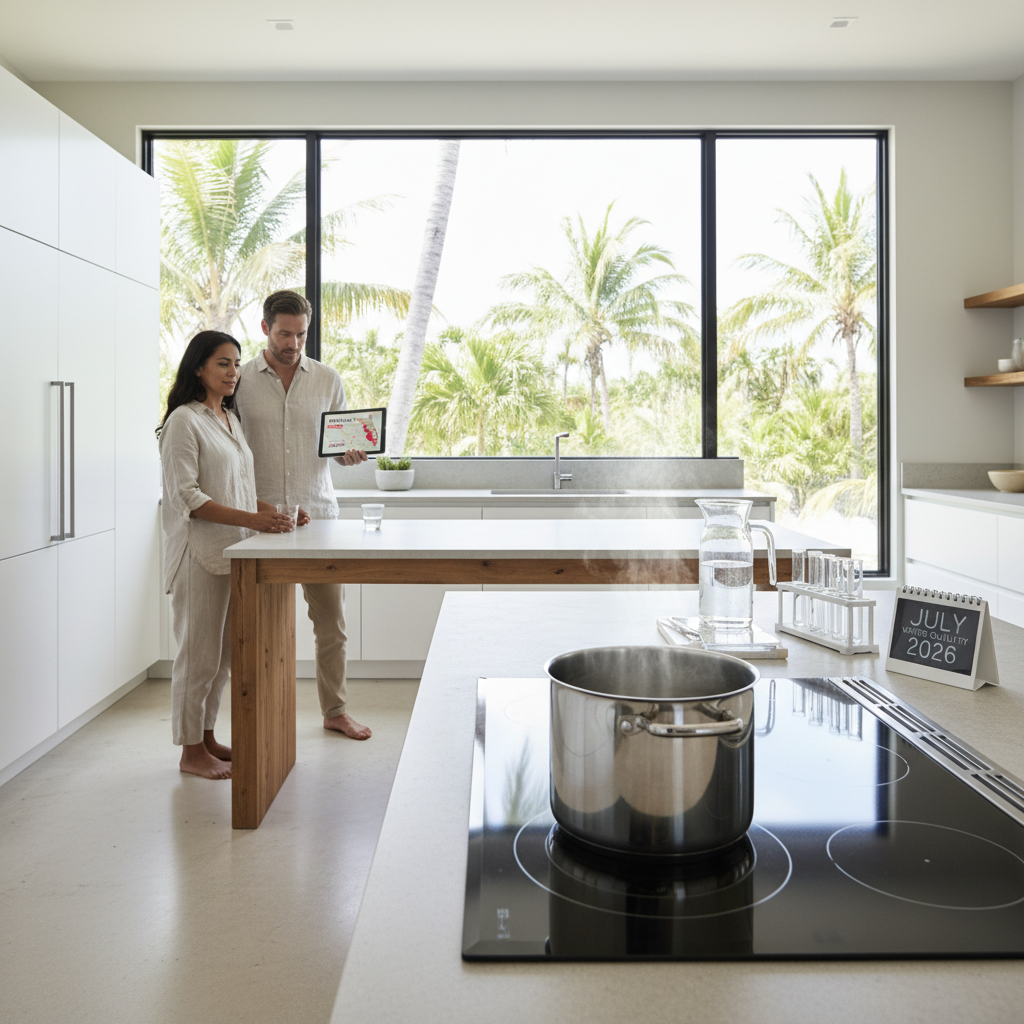
Florida boil-water advisories are an increasingly frequent reality for homeowners across the Sunshine State as aging infrastructure meets the intense pressures of the 2026 summer storm season and record-breaking heat. Whether triggered by a water main break, a loss of pressure, or a scheduled system upgrade, these alerts are critical public health notifications designed to prevent the consumption of pathogenic bacteria and viruses. Understanding the protocols for safe consumption during these periods is essential for maintaining a healthy home and longevity in Florida's coastal and inland environments.
Key takeaways for Florida residents
- Boil for safety: Always bring water to a rolling boil for at least one full minute to neutralize biological contaminants.
- Watch for heat-linked bacteria: High temperatures accelerate the growth of bacteria like Vibrio in brackish and coastal waters.
- Infrastructure vulnerability: Rapid population growth in counties like Volusia and Miami-Dade puts extreme stress on the Biscayne aquifer and local utility lines.
- Post-advisory action: Flush all household plumbing and replace filtration cartridges once an advisory is lifted.
Why Florida boil-water advisories are on the rise
As of 2026, Florida continues to grapple with the dual challenges of a booming population and a climate that tests the limits of municipal water systems. Public utilities issue Florida boil-water advisories when water pressure drops below 20 psi (pounds per square inch). According to the Florida Department of Environmental Protection (DEP), this drop in pressure creates a vacuum effect that can pull groundwater, soil, and untreated runoff into the drinking water supply. In coastal regions, saltwater intrusion additional complicates the integrity of the delivery network.
The recent July 4th holiday weekend highlighted these vulnerabilities. With record crowds in Volusia County and extreme heat warnings spanning the state, utility demands reached peak capacity. When high demand coincides with afternoon thunderstorms or localized flooding, the risk of technical failure increases. For those on private wells near the coast, the risk is even higher as rising sea levels and storm surges can push contaminants directly into the wellhead.
Biological threats: Beyond the standard bacteria
While E. coli is the traditional focus of a boil-water notice, Florida's 2026 summer heat has brought other pathogens to the forefront. Health officials, including the Mobile County Health Department (MCHD) and similar agencies in the Florida Panhandle, have noted a significant rise in Vibrio cases during the May to September window. While Vibrio is naturally occurring in brackish and coastal waters, it poses a severe threat to residents who may use untreated water for cleaning or food preparation.
Medical experts warn that Vibrio can enter the body through open wounds or the consumption of contaminated seafood. Symptoms often begin with redness and swelling but can rapidly progress to severe skin infections or gastrointestinal distress. If you are under a boil-water mandate, avoid using tap water for washing raw produce or brushing teeth, as these are common entry points for environmental pathogens. For comprehensive protection, residents should consider a free Water Health Assessment to identify specific risks in their local area.
What to do during an active advisory
When your local utility or the Florida Department of Health issues a notice, you must treat all tap water intended for human or pet consumption. This includes water used for drinking, cooking, making ice, and brushing teeth. While many modern refrigerators have built-in filters, most are not designed to remove bacteria or viruses during a pressure-loss event.
- Rolling Boil: Bring a pot of water to a vigorous, rolling boil.
- Time It: Maintain the boil for one minute (three minutes if you are at a significantly higher altitude, though rarely applicable in Florida).
- Cool and Store: Allow the water to cool naturally before storing it in clean, sanitized containers.
- Ice Machines: Turn off automatic ice makers and discard any ice made during the advisory period.
According to the Centers for Disease Control and Prevention (CDC), boiling is the most effective method for killing disease-causing organisms, including viruses, bacteria, and parasites.
Comparing water treatment methods during advisories
While boiling is the gold standard, homeowners often ask about alternatives. The following table compares common household responses to Florida boil-water advisories.
| Method | Effectiveness against Bacteria | Effectiveness against Chemicals | Recommended Use |
|---|---|---|---|
| Boiling (1 minute) | Excellent | None (may concentrate) | Primary drinking/cooking |
| Reverse Osmosis | Very High | Excellent | Secondary barrier only |
| Standard Carbon Filter | Low | Moderate | Not safe for advisories | High | None | Emergency backup only |
It is important to note that if your water appears cloudy or turbid, you should filter it through a clean cloth before boiling. If you are uncertain about your home's filtration capabilities, you should book a water test to verify that your system can handle local contaminants.
Water safety for pets and hygiene
Household pets are equally susceptible to waterborne illnesses. During an advisory, give pets the same boiled and cooled water you drink. For hygiene, most adults can continue to shower in tap water, provided they do not have open wounds (as warned by health officials regarding Vibrio) and take care not to swallow any water. However, infants and immunocompromised individuals should be bathed with boiled or bottled water to mitigate any risk of accidental ingestion or mucosal exposure.
If you have recently had surgery or a new tattoo, heed the advice of health officers: avoid contact with potentially contaminated water. This includes municipal tap water under alert and natural bodies of water like the Everglades or coastal estuaries where bacterial loads are currently high due to the 2026 heat wave.
What to do next
Once your utility company announces that the water is safe (typically after two consecutive days of clean samples), you must take steps to clear your home's internal system. Do not immediately drink from the tap without following these recovery steps:
- Run all cold water faucets for at least 5 minutes to flush the lines.
- Run water softeners through a regeneration cycle.
- Drain and refill hot water heaters if they were set below 113°F (45°C).
- Replace all point-of-use filters, including those in your refrigerator and under-sink systems.
- Sanitize any surfaces or containers that held contaminated water.
To ensure your home is prepared for future infrastructure failures, take the proactive step of securing a free Water Health Assessment. Understanding your water profile today prevents health crises tomorrow.
Frequently asked questions
Can I use my coffee maker during a boil-water advisory?
Most coffee makers do not maintain a high enough temperature for a long enough duration to kill all pathogens. It is safer to use pre-boiled water or bottled water to brew your coffee until the advisory is officially lifted.
Is it safe to wash dishes in the dishwasher?
If your dishwasher has a high-heat sanitizing cycle that reaches at least 150°F (65°C), it is generally safe. If not, you should hand wash dishes using boiled water or a final rinse containing one teaspoon of unscented bleach per gallon of water.
How long do Florida boil-water advisories typically last?
Most advisories last between 24 and 48 hours. This timeframe allows the utility to repair the issue and perform the required biological testing to ensure the water meets Florida DEP safety standards.
Should I boil water if I have a whole-home filtration system?
Yes. Unless your system is specifically certified for microbiological purification (such as certain UV light systems or ultra-filtration membranes), you should still boil your water. Most standard whole-home systems are designed for sediment and chemicals, not bacteria.