
Clean Water for Better Sleep: Daily Wellness Habits to Lower Stress
Discover how water quality impacts your sleep and stress levels. Learn high-impact wellness habits for Florida homeowners to improve rest and reduce cortisol through clean living.
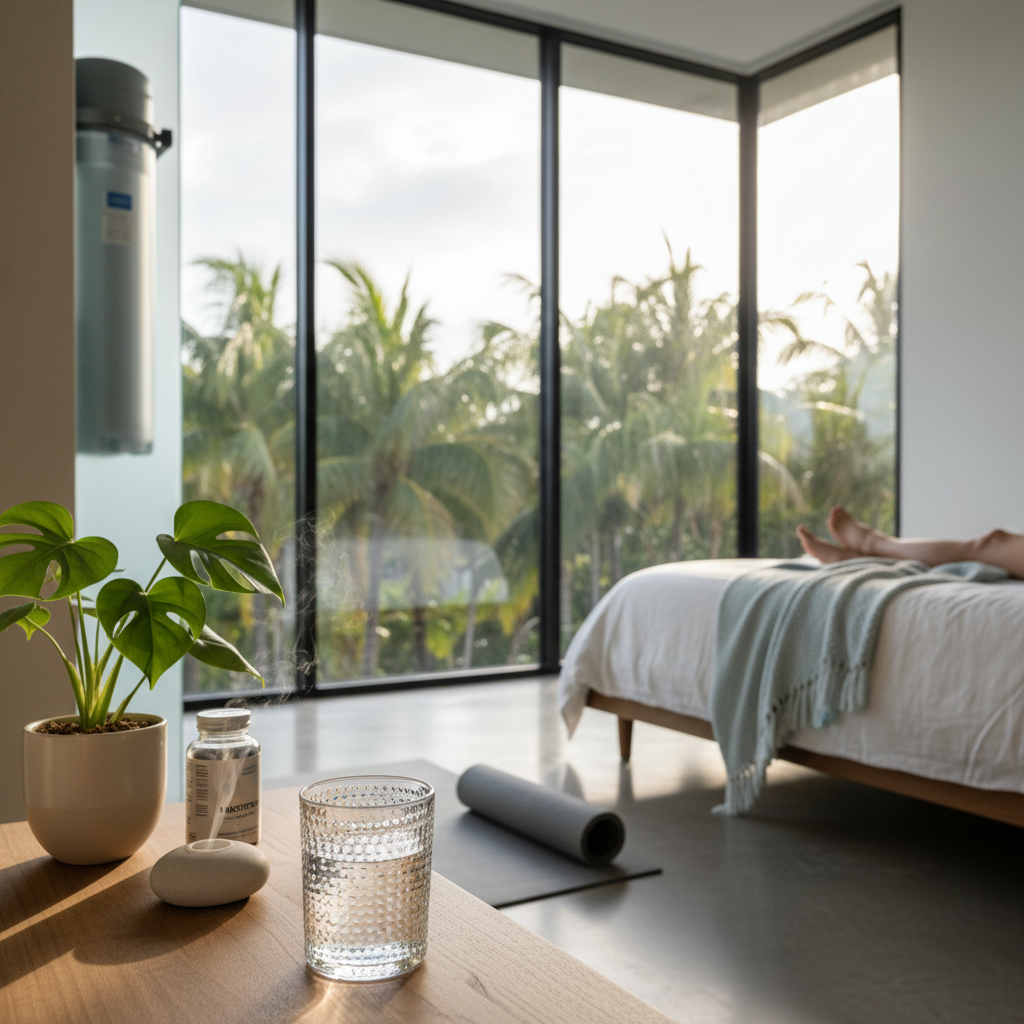
Establishing sustainable wellness habits for sleep is essential for managing daily stress and maintaining long-term health in the modern home. While many Florida homeowners focus on mattress quality or room temperature, the purity of the water used for hydration and bathing plays a foundational role in the body’s ability to downregulate. By integrating clean water practices with consistent evening routines, you can effectively lower cortisol levels and improve the restorative quality of your sleep cycles.
Key takeaways
- Hydration quality directly influences the production of melatonin and the regulation of body temperature during sleep.
- Chlorine and volatile organic compounds (VOCs) in municipal water can cause respiratory irritation that interrupts deep sleep.
- A consistent wind-down routine starting two hours before bed is the most effective way to lower physiological stress.
- Properly filtered water supports the adrenal system, helping the body manage the stressors unique to the Florida climate.
The physiological link between water and rest
Sleep is a complex biological process that requires the body to reach a state of homeostasis. Dehydration, even at minor levels, can lead to dry mouth, nasal passages, and leg cramps, all of which disrupt the sleep architectural stages. According to the National Sleep Foundation, hydration status is a critical pillar of sleep hygiene. For Florida residents, who often face high humidity and heat, maintaining internal fluid balance is harder than in more temperate climates.
However, the quality of that water is just as important as the quantity. Exposure to chemical additives commonly found in Florida municipal water, such as chlorine used for disinfection, can impact the sensory system. When you shower in chlorinated water before bed, you are not just cleaning your skin; you are inhaling steam that may contain chloroform gas, a byproduct of chlorination. These irritants can cause subtle inflammation in the airway, making it harder to enter the REM cycle. To ensure your home environment supports rest, it is wise to book a water test to identify potential disruptors in your tap.
How stress impacts the Floridian homeowner
Life in Florida presents unique environmental stressors. From the intense UV index to the potential for groundwater contamination in the Biscayne Aquifer, the body’s stress response remains on high alert. Chronic stress leads to elevated cortisol, the hormone that keeps us awake and alert. When cortisol remains high in the evening, the brain cannot signal the release of melatonin.
Building wellness habits for sleep involves more than just mental relaxation; it requires physical detoxification. The kidneys and liver require clean, contaminant-free water to process the byproducts of stress. If your water contains heavy metals like lead or copper—often found in older Florida plumbing—the body must work harder to filter these out, inadvertently keeping the nervous system engaged when it should be resting.
Creating a clean water sleep sanctuary
To optimize your home for better rest, consider the following checklist to ensure your environment is working for you, not against you:
- Limit Blue Light: Turn off screens 90 minutes before sleep to allow natural melatonin production.
- Filter Your Bathing Water: Use a whole-home filtration system to remove chlorine and sulfur odors that can agitate the senses.
- Optimize Hydration Timing: Drink the majority of your daily water intake before 7:00 PM to prevent midnight bathroom trips.
- Temperature Control: Keep your bedroom at approximately 68 degrees Fahrenheit, which is the ideal temperature for the human body to induce sleep.
- Assess Your Source: Understand what is in your local supply by getting a free Water Health Assessment.
Comparison of sleep disruptors in common water sources
| Contaminant | Common Source | Impact on Sleep/Stress |
|---|---|---|
| Chlorine | Municipal Treatment | Respiratory irritation, dry itchy skin, nasal discomfort. |
| Nitrates | Agricultural Runoff | Interferes with blood oxygen levels, leading to restlessness. |
| Hard Minerals | Florida Limestone Aquifers | Can cause skin irritation and disrupt physical comfort. |
| VOCs | Industrial Leaks/Pesticides | Direct neurological stressors that can impair cognitive recovery. |
The role of magnesium and hydration
Scientific literature frequently highlights the importance of magnesium in stress management and sleep. Magnesium helps regulate neurotransmitters that send signals through the nervous system and brain. Interestingly, many homeowners rely on bottled water that has been stripped of natural minerals. Drinking filtered but re-mineralized water can provide trace amounts of magnesium and calcium that support muscle relaxation.
The EPA notes that while many contaminants are regulated at the source, the journey through aging infrastructure to your kitchen tap can introduce new risks. For those living in coastal Florida, saltwater intrusion into aquifers can also change the mineral profile of your water, potentially increasing sodium levels which can lead to nighttime thirst and disrupted sleep patterns.
Wellness habits to implement tonight
Starting tonight, change your relationship with your evening routine. Instead of viewing sleep as a passive activity, view it as an active recovery phase. Begin by drinking a glass of purified water two hours before bed. This hydrates the fascia and joints, reducing the physical tension accumulated throughout the day. Follow this with a warm bath or shower; the subsequent drop in body temperature once you exit the water signals to your brain that it is time for sleep.
If you find that your skin feels tight or your eyes feel irritated after your evening shower, this is a clear indicator that your water quality is affecting your ability to relax. Managing the chemical load on your body is one of the easiest wellness habits for sleep to fix, as it relies on environmental control rather than willpower.
What to do next
Improving your sleep and lowering stress is a journey that starts with the fundamentals of your home environment. Do not guess what might be keeping you awake. Take the first step toward a cleaner, more restful home by completing a free Water Health Assessment. If you want a deeper look into your home's specific chemistry, you should book a water test with a professional who understands the unique challenges of Florida’s water supply. You can also explore our related guides for more tips on clean living and longevity.
Frequently asked questions
Does chlorine in water affect sleep quality?
Yes, chlorine can affect sleep by drying out the skin and respiratory tract. The vaporized chlorine inhaled during a hot shower can cause minor airway inflammation, which may lead to restless sleep or snoring.
How does dehydration impact stress levels?
Dehydration triggers a physiological stress response in the body, which can increase cortisol levels. Even mild dehydration can make you feel more anxious and less able to handle daily challenges.
Is Florida tap water safe for a healthy sleep routine?
While Florida tap water meets federal standards, it often contains high levels of minerals and disinfectant byproducts that can cause physical discomfort. Filtering these out ensures a more comfortable and restorative sleep environment.
What is the best time to stop drinking water before bed?
To avoid sleep interruptions, it is generally recommended to taper off fluid intake about two hours before you plan to sleep, ensuring you are fully hydrated earlier in the day.